

Interior Panel Systems: Flexible Wall Solutions for Modern Architectural Design
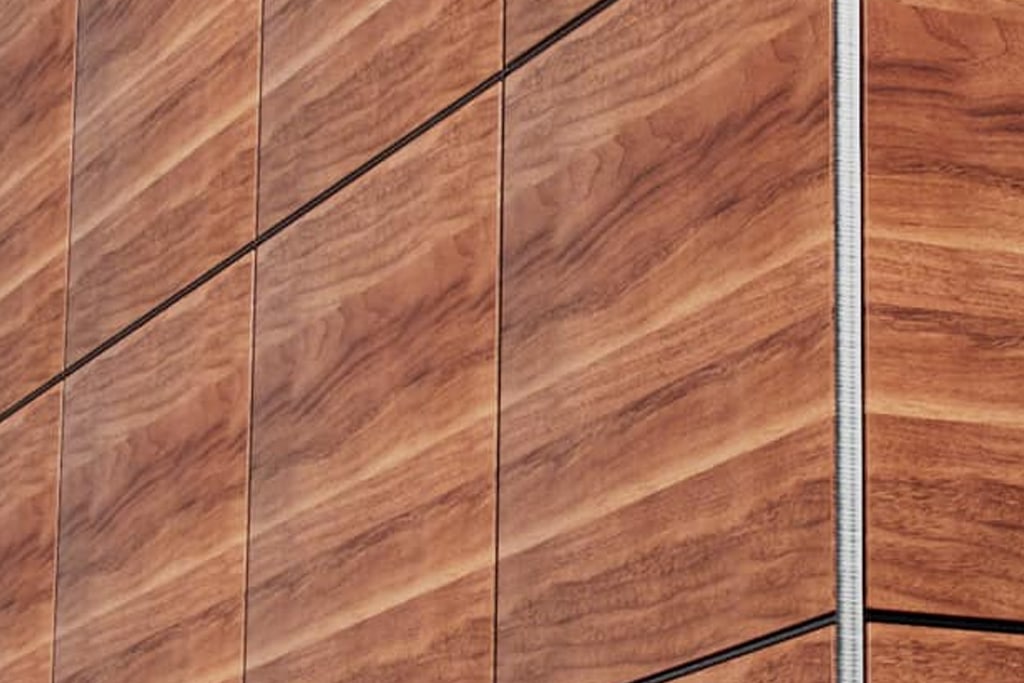
How modern interior panel systems support mixed materials, consistent reveals, and adaptable architectural wall design.
Interior panel systems have become a popular solution for architects and designers looking to create clean, modern wall surfaces that combine visual impact with efficient installation. These systems allow wall panels to be mounted using concealed clips or brackets, creating a structured layout with consistent spacing and hidden hardware.
Unlike traditional wall finishes that rely on adhesives or exposed fasteners, panel systems provide a modular framework that allows panels to be installed, removed, and replaced when needed. This approach supports a wide range of materials and panel thicknesses while maintaining a precise architectural appearance.
At Monarch Metal, interior panel systems are commonly used with architectural trims, mounting clips, and reveal systems that help designers create feature walls with consistent alignment and professional finishes.
What Are Interior Panel Systems?
Interior panel systems are mounting solutions designed to support decorative or architectural wall panels. These systems typically use aluminum trims, clips, or brackets that attach to the wall structure and support individual panels.
The panels are installed into this framework with consistent spacing that creates visible reveals between panels. Because the mounting hardware is concealed behind the panels, the finished wall surface appears clean and uninterrupted.
Interior panel systems are often used with materials such as:
- Wood veneer panels
- Phenolic panels
- Laminate panels
- Glass panels
- Acrylic panels
By separating the mounting system from the panel material itself, these systems allow designers and fabricators to select materials that best fit the aesthetic and performance requirements of a project.
Adapting Panel Systems for Varying Panel Thickness
Many architectural wall designs include panels of different thicknesses. For example, a feature wall may combine thin laminate panels with thicker wood veneer or phenolic panels.
Adaptor clips are commonly used within interior panel systems to accommodate these variations in panel depth. These clips allow thinner panels to be installed within a system designed for thicker materials, ensuring that all panels align properly with the surrounding trims and reveals.
This flexibility allows designers to maintain a consistent reveal pattern across the entire wall, even when multiple materials or panel thicknesses are used in the same installation.
The result is a cohesive wall system that maintains visual consistency while supporting a wider range of panel materials.
Integrating Glass and Acrylic Panels
Modern interior spaces frequently incorporate glass or acrylic panels as part of decorative wall systems. These materials add reflective surfaces, color accents, or backlit design elements that enhance the overall architectural environment.
In some cases, mechanical fasteners may not be desirable for glass or acrylic panels. High-strength mounting tapes can be used as an alternative attachment method, allowing panels to be bonded securely to clips or brackets within the panel system.
When used correctly, this approach allows glass panels to integrate seamlessly into a larger wall system while maintaining the same reveal spacing and trim structure as surrounding panels.
This capability allows designers to combine transparent, reflective, and opaque materials within the same architectural wall feature.
Mixed Media Wall Design
One of the most notable trends in modern interiors is the use of mixed media wall systems. Rather than using a single material across an entire wall surface, designers combine multiple materials to create depth and contrast.
Examples of mixed media panel systems include:
- Wood panels paired with aluminum reveals
- Glass accent panels within composite wall systems
- Acrylic panels combined with laminate panels
- Metal panels integrated with decorative architectural trims
Interior panel systems provide the structural framework that allows these combinations to be installed cleanly and consistently.
Why Interior Panel Systems Are Widely Used
Interior panel systems offer several advantages compared with traditional wall finishing methods:
- Concealed mounting hardware
- Consistent panel alignment and spacing
- Support for multiple panel materials
- Adaptability for varying panel thicknesses
- Serviceability and panel replacement when needed
Because these systems provide both structural support and aesthetic control, they are widely used in commercial interiors, corporate offices, hospitality spaces, retail environments, and architectural feature walls.
As interior design continues to evolve toward layered materials and modular construction, interior panel systems provide a practical solution that balances flexibility, precision, and long-term durability.
Understanding Powder Coating: How the Process Protects Metal and Delivers Durable, Beautiful Finishes
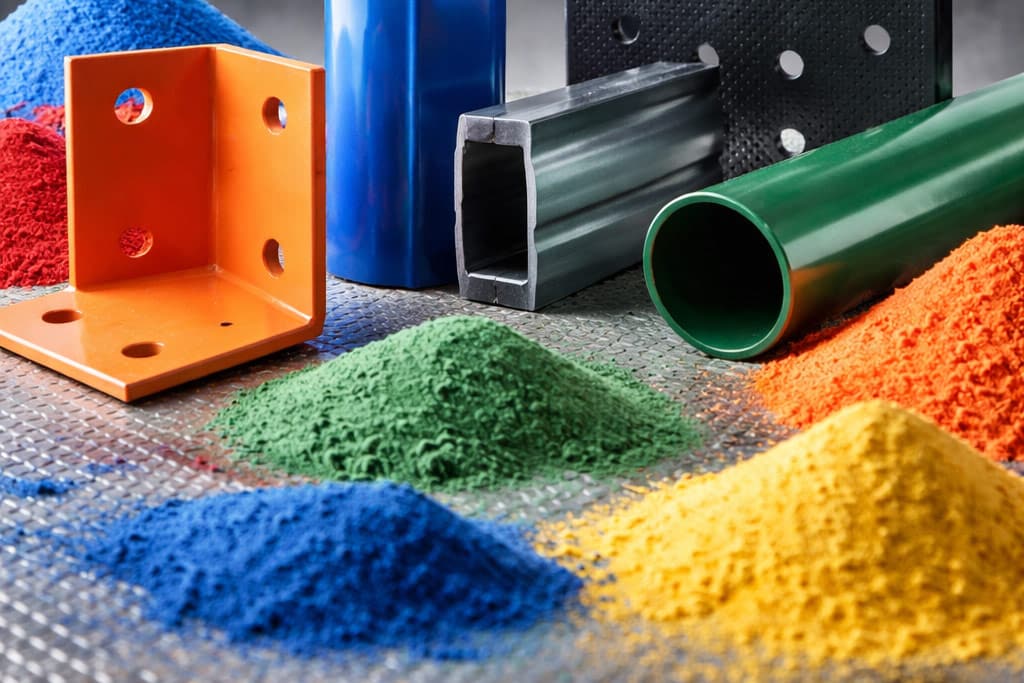
A Practical Guide to How Powder Coating Enhances Metal with Strong Protection, Dependable Performance, and Vibrant Color Choices
Powder coating is one of the most trusted finishing methods for architectural hardware, metal components, and exterior systems. It creates a resilient and visually consistent finish that performs exceptionally well in demanding environments. While anodizing enhances aluminum by forming a protective oxide layer, powder coating protects metals through a controlled curing process that bonds color and resin directly to the surface.
At Monarch Metal, powder coated finishes are often specified for architectural brackets, exterior and interior mounting systems, and decorative hardware where appearance and durability must work together.
What is Powder Coating?
Powder coating is a dry finishing process that uses finely ground pigments and resins. Unlike liquid paint, which uses solvents to carry color to the surface, powder coating is applied as a free flowing powder that clings to the metal through electrostatic attraction. Once cured, the coating forms a continuous solid film that protects the material and enhances its appearance.
A powder coated finish provides strong durability, excellent resistance to chipping, scratching, and corrosion, a consistent and uniform appearance, a wide range of colors and textures, and a solvent free environmentally conscious finishing process. Because the finish is chemically bonded through heat, it offers long term stability even in harsh environments.
How the Powder Coating Process Works
Powder coating involves three primary stages that work together to produce a high quality finish.
1. Surface Preparation
A long lasting finish begins with proper surface preparation. Metal parts are typically degreased, cleaned, or media blasted to remove contaminants. Some applications also include chemical pretreatment to increase corrosion resistance and improve adhesion.
2. Powder Application
The coating is applied using an electrostatic spray gun that charges the powder particles. The electrically charged particles are drawn to the grounded metal part, creating an even and consistent layer, even on complex shapes.
3. Curing
After application, the coated part is moved into a curing oven. Heat causes the powder to melt, flow, and chemically crosslink into a hard protective layer. The resulting finish is tightly bonded and highly resistant to wear and environmental exposure.
Protective Benefits
Powder coating protects metal from a variety of stresses, including corrosion, impact and abrasion, UV exposure, harsh weather conditions, and chemicals or airborne pollutants. The cured film provides a smooth and durable barrier that maintains its appearance for years with minimal maintenance.
Color and Finish Options
Powder coating offers extensive flexibility in appearance. Available options include solid RAL colors, matte, satin, and gloss finishes, metallic and pearlescent effects, textured, wrinkle, or hammered surfaces, and architectural grade super durable powders.
These finishes hold color extremely well and resist fading, chalking, and uneven weathering over time. This versatility is especially helpful for architects and designers who need hardware to match surrounding materials.
Environmental Advantages
Powder coating is considered an environmentally responsible finishing method. It contains no solvents, releases no VOCs, and generates minimal waste. Overspray can often be reclaimed and reused, making the process efficient and sustainable.
Applications Across Industries
Powder coating is widely used for architectural trims, brackets, and mounting systems, aluminum extrusions, railings and exterior building hardware, outdoor furniture, automotive and marine parts, and industrial equipment.
For many architectural solutions supplied by Monarch Metal, powder coating provides a reliable balance of durability, longevity, and visual quality.
Custom Aluminum Extrusions: Bringing Your Vision to Life
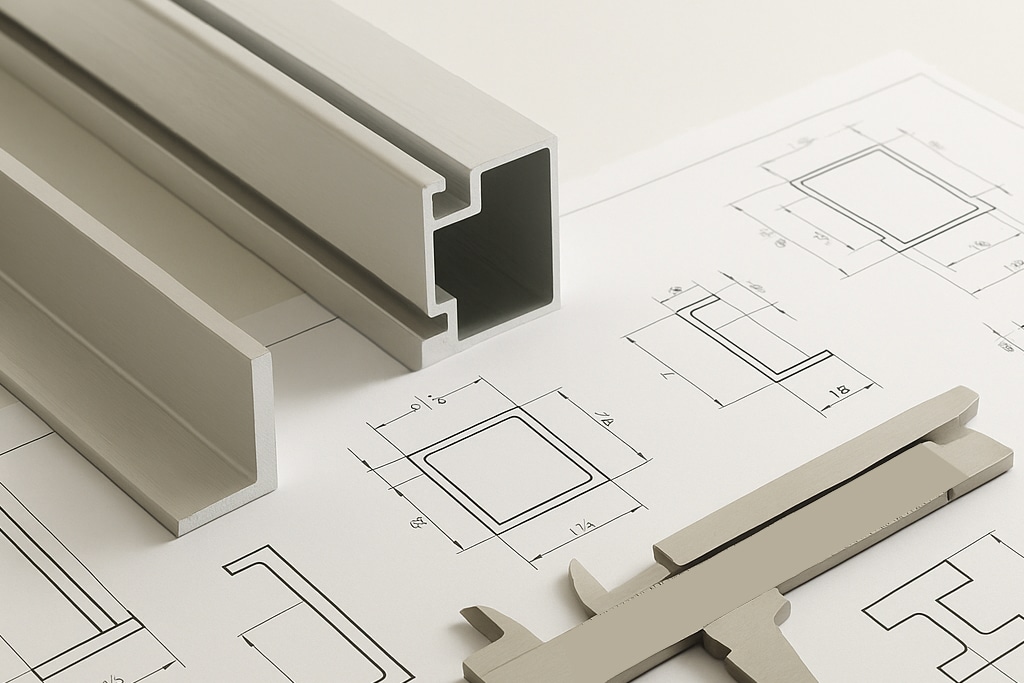
Monarch Metal helps make your ideas real with custom aluminum extrusions and tailored profiles. We offer services from design to delivery.
Custom aluminum extrusions are special shapes made by heating aluminum. Workers then push the aluminum through a shaped die to create a specific design. Unlike standard off-the-shelf profiles, engineers design custom aluminum extrusions to meet the unique requirements of your project.
At Monarch Metal, we help customers turn an idea, sketch, or CAD drawing into a useful aluminum extrusion. Our process is efficient and cost-effective.
Why Choose Custom Aluminum Extrusions?
Every project has its own challenges. Custom aluminum extrusions allow you to:
- Reduce Complexity: Minimize the number of separate parts by creating a single, well-designed extrusion.
- Save Time: Streamline assembly and reduce labor costs by building functionality into the profile itself.
- Enhance Performance: Design extrusions optimized for strength, durability, and precision.
- Improve Appearance: Select finishes that achieve both aesthetic appeal and long-term protection.
Custom aluminum extrusions are popular because they are versatile and perform well. Many areas use them, such as buildings, consumer products, heavy machinery, and industrial equipment.
Expanded Applications for Custom Aluminum Extrusions
Custom aluminum extrusions are used across industries because they combine strength, precision, and flexibility. In the construction industry, they are common in window frames, curtain walls, cladding systems, and structural components. In transportation, they are relied on in automotive, aerospace, and marine applications where lightweight durability is critical.
Consumer products such as furniture, electronics, and sporting equipment also use extrusions for sleek design and consistent performance. No matter the field, extrusions can be tailored to fit exact project needs.
Designed Around Your Needs
At Monarch Metal, we understand that every extrusion must perform in a specific environment. We offer many surface finishes. These include mill, clear anodized, black anodized, black powdercoat, and custom powdercoat colors. These options allow you to balance function with design.
We also provide value-added services to help streamline your production process. Options include drilling, tapping, punching, and cut-to-length processing. By integrating these services into the extrusion process, you save time, reduce secondary operations, and keep projects moving efficiently.
Materials, Finishes, and Tolerances
People value aluminum extrusions for their lightweight, corrosion-resistant, and fully recyclable properties. We work with alloys tailored for both strength and machinability. Finishes like anodizing add protection against wear and weather, while powder coating opens a range of colors and textures.
Beyond appearance, we hold tight tolerances so parts fit correctly and perform consistently. Designers create each extrusion to meet technical requirements while also enhancing overall design.
Our Proven Process for Custom Aluminum Extrusions
- Review Your Materials – We evaluate sketches, CAD files, or design notes.
- Develop Initial Concepts – Early-stage extrusion concepts based on your requirements.
- Customer Consultation – A collaborative discussion to align goals and workability.
- Design & Development – Detailed extrusion profiles and engineering documentation.
- Prototyping – 3D-printed samples available for testing and validation.
- Cost Estimate – We provide a clear quote with tooling and production costs.
- Tooling & Production – We place an order for tools and start making products.
- Delivery – We ship finished custom aluminum extrusions directly to you.
Why Work With Monarch Metal?
Experience matters when it comes to custom aluminum extrusions. Monarch Metal has worked with commercial projects, industrial equipment, and architectural systems of all sizes. Our team partners with engineers, architects, and manufacturers to provide technical support at every step. We use our engineering skills and customer service from early sketches to final delivery. This makes the process clear and reliable.
Commitment to Quality and Sustainability
Aluminum extrusions are one of the most sustainable material choices because they can be recycled indefinitely without losing strength or quality. Choosing extrusions means reducing environmental impact while gaining long-term durability.
Monarch Metal follows strict quality standards. This ensures that every extrusion is consistent and reliable. You can trust that it will perform as expected.
From Vision to Reality
Custom aluminum extrusions are about more than shapes. They are about solving problems, reducing costs, and creating products that stand out. With Monarch Metal’s help, you can turn your idea into a finished product. You can trust that it will work as planned.
Start Your Custom Extrusion Project Today
If you have an idea for a custom aluminum extrusion, Monarch Metal is here to help. You can easily start, just fill out our Custom Aluminum Extrusion Request Form.
Our team will check your details. Then, we will schedule a free consultation. Together, we will transform your vision into reality with custom aluminum extrusions designed to your exact specifications.
Speed Matters: How Monarch’s Inventory and Shipping Keep Projects on Track
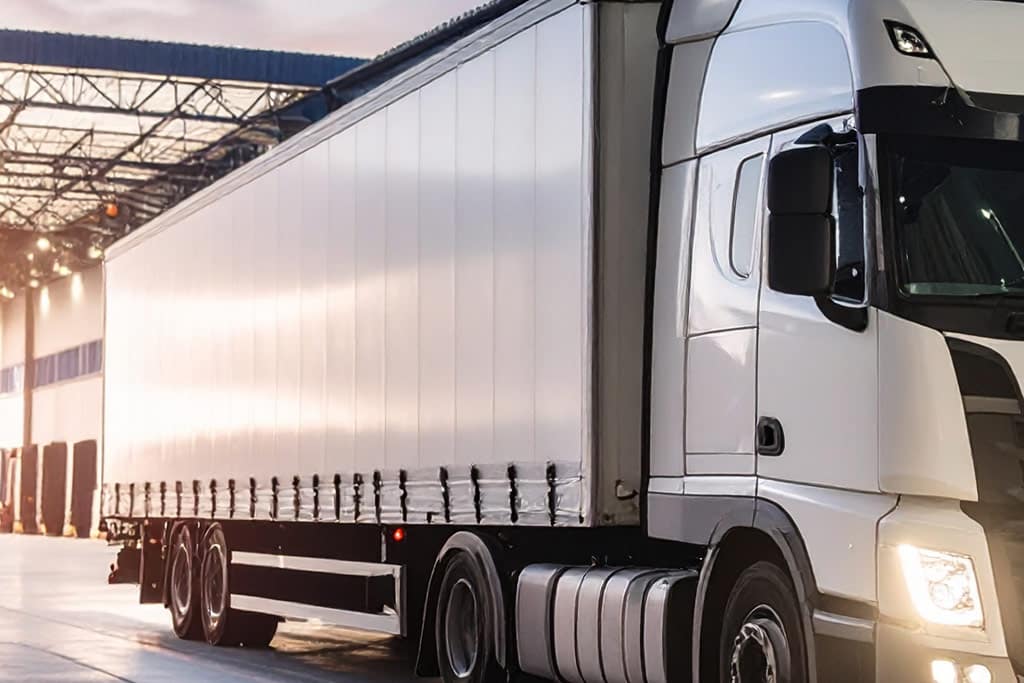
How Monarch Metal’s Nationwide Inventory and Fast Shipping Help Contractors Meet Tight Construction Deadlines
In construction, time is money, and delays can quickly escalate costs and impact project deadlines. At Monarch Metal, we understand this urgency and have made fast turnaround times and reliable shipping cornerstones of our service. With three fabrication and warehouse facilities strategically located in New York, Texas, and Nevada, we ensure that standard profiles like z clips, angles, flat bars, galvanized Z-girts, hat channels, and other substructure components are always close to where contractors need them most. In addition to our core offerings, many other products are available for same-day or next-day shipping to keep your project on schedule.
Maintaining a large inventory across these nationwide locations allows us to offer quick shipping on stocked standard lengths and profiles. This means contractors and fabricators can place orders with confidence, knowing the materials will arrive promptly to keep their projects moving. By minimizing wait times for key components, Monarch Metal helps reduce downtime and labor delays on the job site, which is critical for maintaining tight schedules.
Additionally, Monarch Metal’s ability to custom-run profiles to virtually any length adds another layer of efficiency. This flexibility enables contractors to order precisely what they need, reducing waste and simplifying installation. Combined with fast shipping from multiple warehouses, this service model supports a smoother workflow and helps prevent costly project slowdowns.
Ultimately, our commitment to inventory readiness and nationwide manufacturing and distribution provides a dependable supply chain solution for construction professionals. Whether working on large-scale commercial projects or smaller renovations, having access to quality metal components delivered on time makes a significant difference. With Monarch Metal, contractors can stay on schedule and deliver results with confidence.
Monarch Metal Inc. Now Accepting Custom Extrusion Requests
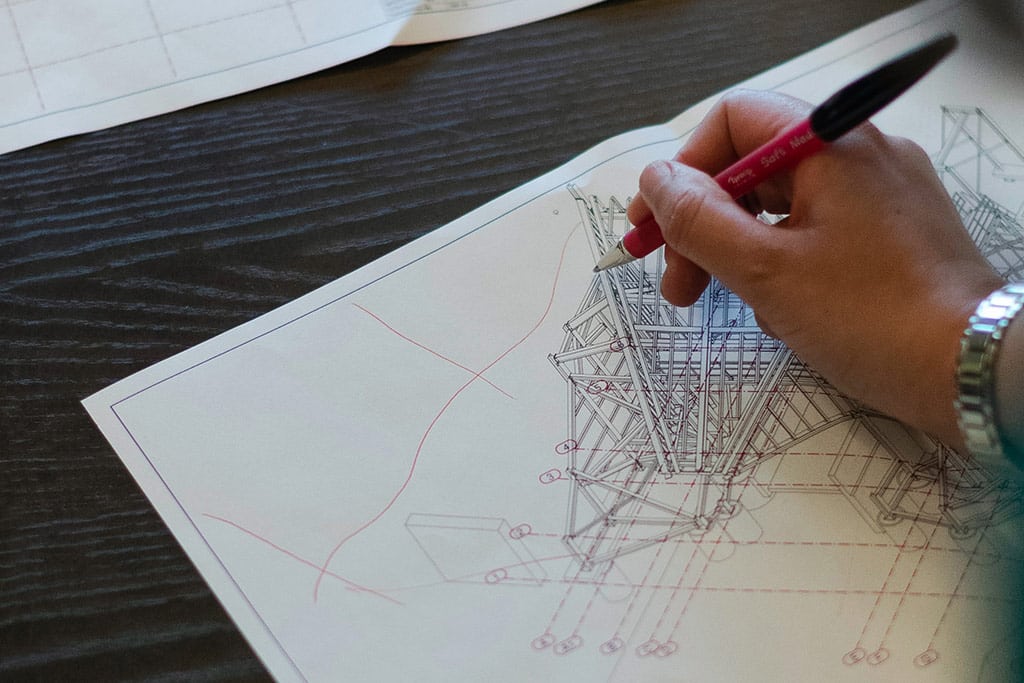
Monarch Metals has over 30 years of experience in the metal fabrication industry, and a major component of that experience lies in aluminum extrusion design and manufacturing. We’ve specialized in building products that solve common building and construction problems, and we would like to help our customers solve even more.
Here at Monarch Metal, we can help you develop a new custom extrusion to meet your needs.
Many times, extrusions can be designed to reduce the number of components needed, increase assembly speed, and add value. They’re used in a wide range of industries, and for good reason. You’ll see them utilized all around you, from household goods, to industrial machines.
Because we’re a small company, we know how difficult it can be to find manufacturing partners that will work on a small scale. One of our key strengths is the ability to extrude and process small lots of products. While most manufacturers will force you to buy large quantities of material, we can work with you to find the right starting point. That could be 500lbs of material, or 50,000lbs.
Extrusions on their own can create value, but we also have the ability to add even more value to you and your customers. This includes, but is not limited to:
- Punching Holes and Slots
- Drilling and Tapping Holes
- Bending
- Rolling
- Anodizing – Type I and Type II
- Custom Powdercoating – RAL Match
- Packaging
Once you’ve submitted your information, our product development team will review, research, and generate some initial ideas and concepts for your idea. During that process, we’ll channel our years of design, manufacturing, and assembly expertise to help solve your problem as efficiently as possible. After the initial review and plans are created, meeting with you and your team will be the next step. This is where we can make sure that we’re all on the same page, with all of the goals, constraints, and timing on the table.
The design and development process can last from a few weeks to a few months, depending on the complexity of the products. During that time, we’ll be in constant communication with you, and ensure that we’re meeting your expectations. We also have in-house prototyping options; those are typically free of charge as a sign of our partnership.
As the design and development process nears completion, we’ll provide you with finalized drawings, prototypes, and quotes for your product. Once the final design is approved, we’ll proceed with a tooling deposit, and subsequent tooling order. The tooling can generally be finished in 5-6 weeks, depending on our tool shop’s volume. First article parts will follow a couple of weeks after the tooling is complete.
We would love to hear more about your custom projects and ideas. Please visit our Custom Extrusion Request form, and let’s work together on a tailored solution for you.
Why Choose Aluminum Slatwall Over Wood-Based Slatwall?
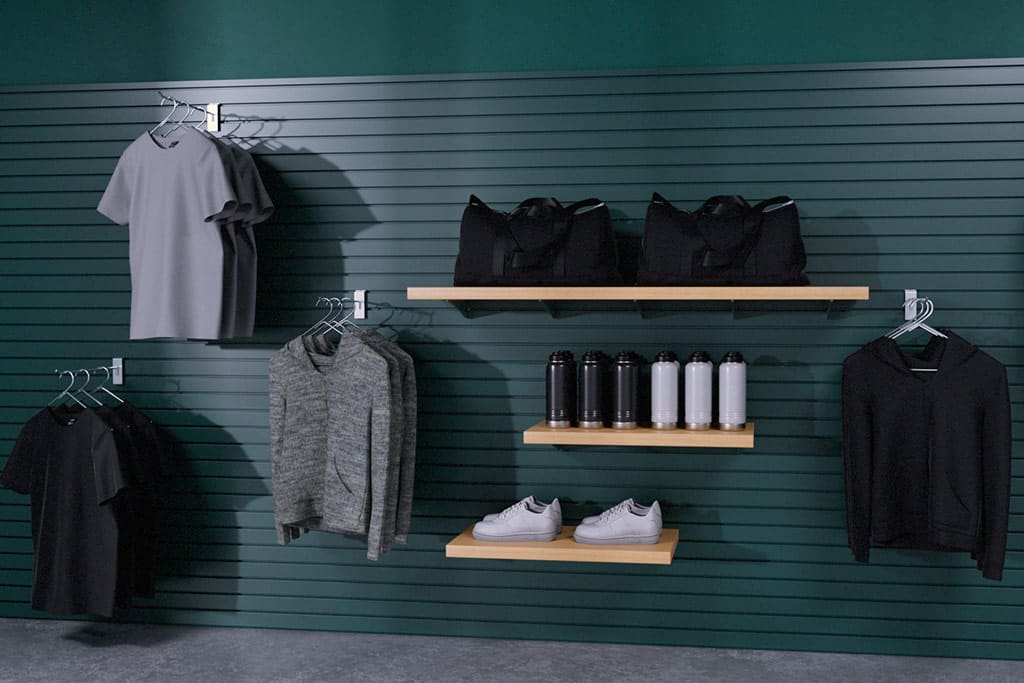
Slatwall is used in many different environments, and we’re confident that everyone can benefit from durable, flexible, and resilient slatwall storage. It’s most commonly used for retail store fixtures, displays, and storage systems. It consists of a series of horizontal grooves into which various fixtures and accessories can be placed. The shape is mostly standardized across most manufacturers, including Monarch.
Slatwall is available in a variety of materials, including wood, plastic, and metal, with aluminum and wood being the two most commonly used materials. In this article, we will explore the benefits of choosing aluminum slatwall over wood slatwall.
Durability
One of the primary benefits of aluminum slatwall is its durability. Aluminum is a highly durable material that is resistant to warping, cracking, and fading. Unlike wood, which can be prone to water damage and rot, aluminum slatwall is impervious to moisture and can withstand extreme temperatures. This makes it an ideal material for use in areas with high humidity or temperature fluctuations, such as garages or warehouses.
This durability also comes into play with frequent changes of organization, where hooks would leave imprints on wood, aluminum slatwall remains unphased.
Strength
In addition to its durability, aluminum slatwall is also incredibly strong. It can support heavy items without sagging or bending, making it an excellent choice for storage systems and display fixtures. This is particularly important in a utility setting, where heavy or dense items would be stored. Most wood or particle board slatwall systems depend on aluminum inserts to add strength, but even then, they are much weaker than a full-aluminum system.
Maintenance
Aluminum slatwall is also incredibly low maintenance. Unlike wood slatwall, which requires regular sanding, staining, and sealing to maintain its appearance and prevent warping, aluminum slatwall is virtually maintenance-free. It does not require any special cleaning or maintenance procedures, and it is resistant to scratches and other forms of damage.
Monarch’s slatwall system comes standard with a clear anodized finish, which protects the aluminum from oxidation, but also yields a muted, even silver finish.
Aesthetics
Finally, aluminum slatwall offers a sleek and modern look that is perfect for contemporary retail environments. It is available in a variety of finishes, Monarch’s standard finish is the aforementioned clear anodized finish. We can also offer a more utilitarian mill finish, which is raw extruded aluminum. For a truly custom look, we can also work with you for a custom powdercoat finish.
Recyclability and Long Life
While aluminum itself has a larger carbon footprint than wood-based slatwall, it’s infinitely recyclable. It can also be reused, resized, and repurposed many times. Wood based slatwall systems are generally used once, and at the end of their service life, thrown away.
In conclusion, there are many reasons why someone would choose aluminum slatwall over wood slatwall. It is incredibly durable, strong, easy to install, low maintenance, and aesthetically pleasing. Whether you are looking to create a retail display, storage system, or any other type of fixture, aluminum slatwall is an excellent choice that will provide you with years of reliable service.
Visit our Slatwall Panel Systems page to learn more about our individual kits and available accessories.
A Sticky Solution for Cladding Installation
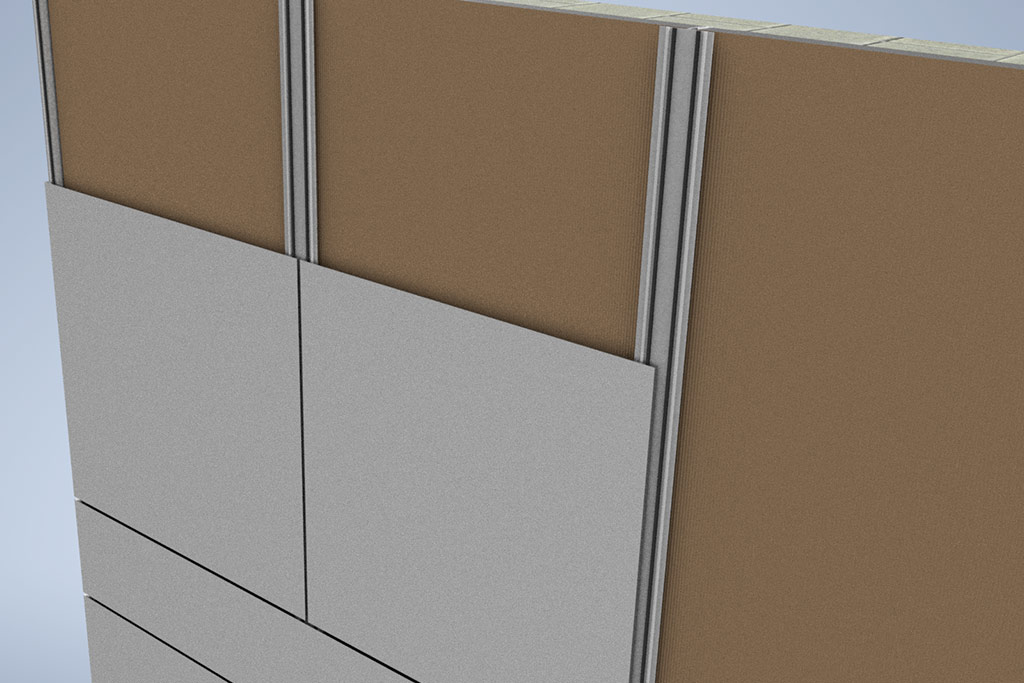
Adhesive cladding systems have become increasingly popular in construction due to their many advantages over traditional mechanical fasteners. These systems are used to attach cladding in a variety of applications, especially where thinner, lighter materials are used. These can include metal panels, fiber cement, high-pressure laminates (HPL), glass, and even some thin stone.
Adhesive technologies have advanced well beyond what has been available in the past, and should be seriously considered for cladding attachment. In this article, we will discuss why adhesive cladding systems have advantages over some typical cladding systems.
Fastener-Free Appearance:
Hidden fastener systems are incredibly popular for both exterior and interior cladding, and provide a clean, smooth appearance. They can also add some security to the installation since fasteners are not readily accessible. While hidden fastener systems are a great solution for thicker panel and heavier products, thinner cladding can struggle to accommodate the anchors required for installation. This typically results in an exposed fastener system.
Adhesive cladding systems eliminate the need for visible mechanical fasteners, resulting in a cleaner and more uniform appearance. The smooth surface creates a sleek and modern look that enhances the overall aesthetic of the building. This also eliminates the need to drill holes in the panels, which can act as stress risers in brittle panels like porcelain.
Faster Installation:
Adhesive cladding systems can be installed more quickly than mechanical fasteners. This is because the adhesive can be applied quickly and easily, without the need for drilling holes and inserting fasteners. Most systems are installed with a foam double-sided tape, and an adhesive. The foam tape provides the initial tack while the adhesive cures. In a well designed system, the installation time decreases significantly, which decreases total labor costs. The required skill to install the panels is also decreased by using adhesives.
Improved Durability:
Adhesive cladding systems can also provide improved durability compared to mechanical fasteners. This is because the adhesive creates a strong and secure bond that can withstand the stresses of expansion and contraction caused by temperature fluctuations. The foam tape and adhesive both have degrees of flexibility that fasteners just can’t match.
Increased Thermal Performance:
Adhesive cladding systems can help to improve the thermal performance of the cladding substructure by reducing the amount of conductive material. In a typical commercial installation with continuous insulation, a clip and rail concealed fastener system must be installed over furring z-girts, wall brackets, etc. In an adhesive system, the furring is still present, but the cladding can be installed directly onto the furring.
Reduced Noise Transmission:
Adhesive cladding systems can also help to reduce noise transmission from the exterior to the interior of the building. The adhesive and tape creates a continuous layer that increases the sound transmission coefficient for the entire system.
Reduced Maintenance:
Adhesive cladding systems require less maintenance than mechanical fasteners. This is because the adhesive creates a strong and durable bond that does not require tightening or replacement. Fasteners should be inspected for corrosion, and in some cases with exposed fasteners, UV degradation of rubber washers. These washers are used to provide a galvanic break between the fastener and panel, and when the washer breaks down, can result in corrosion or panel failure.
The adhesive and tape are both protected from UV exposure after installation, and won’t suffer from the same degradation.
Increased Design Flexibility:
Adhesive cladding systems offer increased design flexibility compared to mechanical fasteners. This is because the adhesive can be used to attach cladding materials to a variety of substrates, including concrete, masonry, metals, and even wood. Typical cladding support systems can become highly complicated to detail, and costly to install when accommodating unique designs. Adhesive systems can avoid some of those complications, since placement doesn’t rely on perfect fastener placement.
In conclusion, adhesive cladding systems can offer many advantages over traditional mechanical fasteners. As a result, these systems are becoming increasingly popular in construction and are likely to continue to grow in popularity in the coming years. Here at Monarch we’re happy to offer up a variety of compatible support systems for adhesive use, reach out to us to learn more about these systems, and how we can help you embrace adhesive cladding systems.


3 Reasons Steel Prices Skyrocketed in 2020
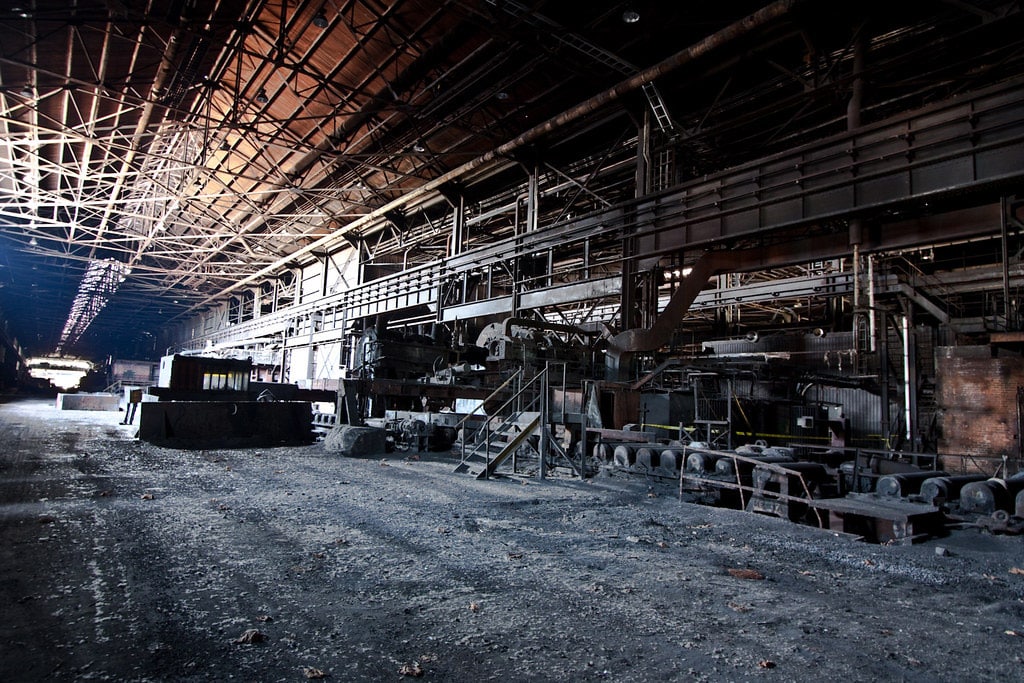
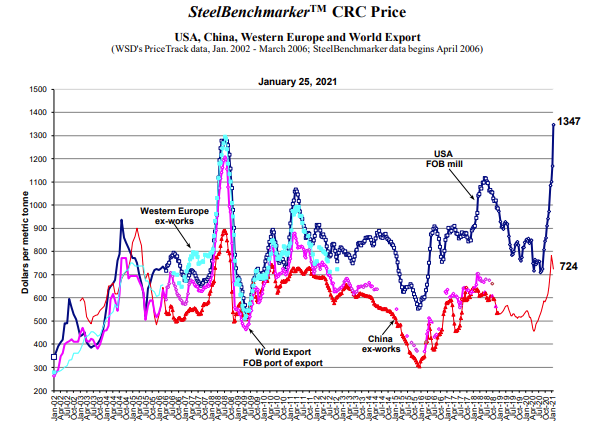
Raw material prices for steel have increased about 60% from the pre-pandemic low in 2020. Prices in the US are forecasted to continue their upward trajectory through at least the first quarter of 2021, but are expected to soften by mid-year. So what exactly happened?
- Many businesses faced unplanned shutdowns due to the COVID-19 pandemic, and steel mills were quick to idle furnaces and curtail production instead of risking uncertainty
- A resurgence in demand in the last months of 2020 while supply and inventory was low drove a rapid escalation in prices, which were further complicated by a raw material scrap shortage
- Steel mills have aggressively raised prices to take advantage of the shortage, with benchmarks like cold rolled steel coil up 100% in 90 days
Additional capacity is expected to come onto the market in 2021 that will ultimately provide relief, but it’s uncertain when this might happen and how much prices may continue to climb before then. Many of the factors that started driving steel prices higher in 2020 are still at play as we enter 2021, and demand for steel is forecasted to grow by 6.7% in North America this year as the economy rebounds. Whether prices start to level out in Q2 or H2 of 2021 appears to be largely dictated by the mills, their utilization rates, and what profit margins they want to make while they’re holding all the chips.
What drove steel prices higher in 2020? Steel production capacity was significantly reduced through 2020 as already slowing demand nearly stopped due to uncertainty in the global economy, and many factories were forced to pause operations during the global Covid-19 health pandemic. Mills that were able to stay open and operating focused on their larger contract orders, pushing price increases and lead times for smaller customers and leading to a shortage in scrap.

Many feel that mills have been more aggressive than needed with prices increases and are taking advantage of this supply shortage to pad their margins while demand is strong. Mills are continuing to hold on aggressive pricing in 2021 and only offering discounts on large volumes. Lourenco Goncalves, President and CEO of Cleveland-Cliffs, said this of his philosophy regarding mill production: “I have said time and time again that I am for value, not for volume.” Make hay while the sun shines, as they say.

But the pandemic wasn’t the only thing in 2020 affecting steel. Transportation costs increased as steel competes for domestic trucking capacity with many other industries that were seeing a surge in demand including lumber products and ATVs. The price of nickel has also been soaring under tight supply and increasing demand. Though typically under 20% of the composition of stainless steel, nickel may soon be three times the price of chromium per ton making it the largest cost component in many cases. Section 232 Tariff on imported nickel is causing uncertainty on decisions to buy foreign nickel with a 3 – 5 month lead time. Canadian steelmaker Stelco suffered an operations-impacting cyber attack. Pittsburgh-based Allegheny Technologies Incorporated, previously one of the big three, announced they would exit the stainless steel sheet market by mid-2021, opting to shed it in favor of optimizing operations for higher margin business. And in the last quarter of 2020, we saw signs of life as demand starts to pick back up. So now we have supply shortages and excess demand where we before had excess capacity and declining demand.
It appears as though we’ll face some other headwinds into 2021 as well. The Biden administration has highlighted many priorities for the year, and this does not appear to include swift reversal of tariffs or import restrictions. The Covid-19 pandemic continues to impact supply chains around the world. Even China, which has recovered more quickly than much of the world has had to implement new lockdown measures after a wave of cases in the Hebei region, which contributes over 20% to the country’s output of steel. Deliveries by truck have been suspended leaving only rail for transportation, and mills are hesitant to tie up cash during a soft lockdown leading to delays and shortages. Furthermore, demand for nickel isn’t expected to decrease anytime soon, as it’s an important component in nearly every type of electric vehicle battery. Global demand for nickel specifically for use in EV batteries is expected to grow from 60,000 metric tons in 2018 to some 665,000 tons (an 11x increase) in 2025.
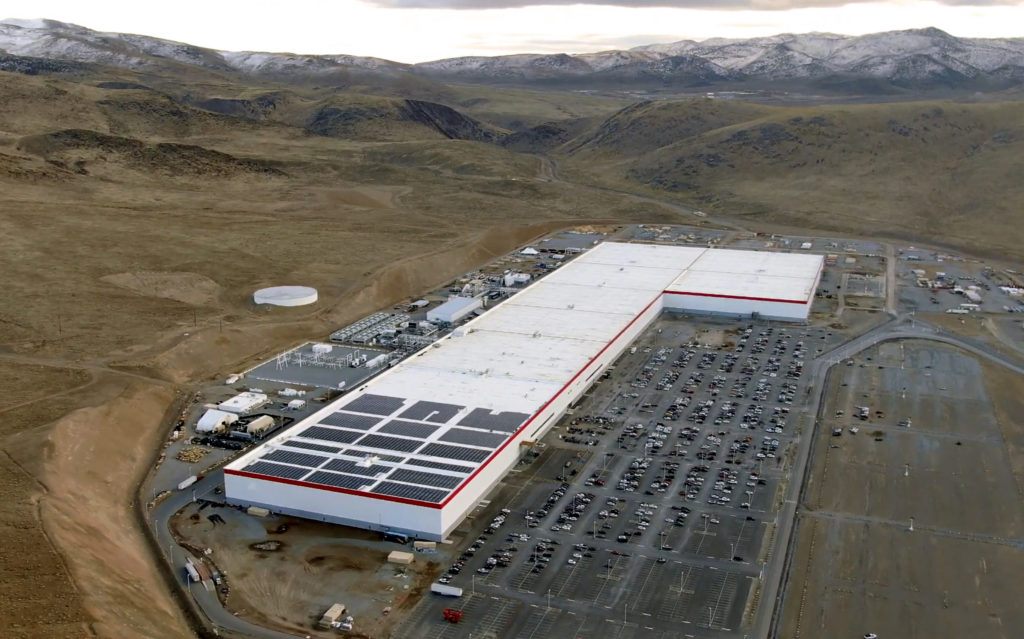
It’s difficult to say exactly when the supply chain will catch up and prices will level off, but according to the American Iron and Steel Institute we should be able to meet demand with current capability. In the week ending on January 16, 2021, domestic raw steel production was 1,738,000 net tons, representing a capability utilization rate of 76.7 percent. That’s still quite a bit lower than the 82.4 percent capability utilization rate for the same week in 2020. Only once the vaccine is fully rolled out in the US and factories are back to operating at pre-pandemic levels will we see the end result of the myriad of factors driving this steep increase in steel.
3D Printing Metal: The Advantages of Direct Metal Laser Sintering
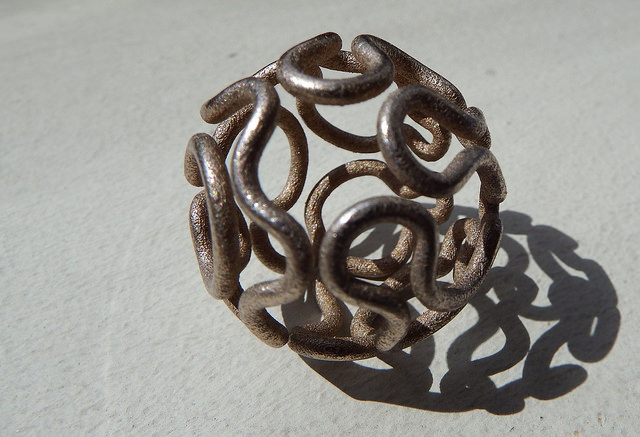 Did you know that metal parts can be 3D printed? It happens via a process called Digital Metal Laser Sintering or DMLS. DMLS is a form of additive manufacturing that uses metal powders and precision lasers to create the desired part. The technology operates on the basis of a 3D CAD file which specifies how complex a design should be.
So, how exactly does DMLS printing work? What happens is this: a thin layer of metal powder is evenly distributed across the bed of the printer. By following a CAD file, a precision laser sinters (heats and fuses) the metal powder particles to replicate the specified design. This process is repeated with additional layers of metal powder until the desired shape and size is achieved. In essence, parts are produced one metal cross section at a time.
Now that you know how DMLS works, let’s have a look at some of its advantages:
Did you know that metal parts can be 3D printed? It happens via a process called Digital Metal Laser Sintering or DMLS. DMLS is a form of additive manufacturing that uses metal powders and precision lasers to create the desired part. The technology operates on the basis of a 3D CAD file which specifies how complex a design should be.
So, how exactly does DMLS printing work? What happens is this: a thin layer of metal powder is evenly distributed across the bed of the printer. By following a CAD file, a precision laser sinters (heats and fuses) the metal powder particles to replicate the specified design. This process is repeated with additional layers of metal powder until the desired shape and size is achieved. In essence, parts are produced one metal cross section at a time.
Now that you know how DMLS works, let’s have a look at some of its advantages:
3D Printing Metal: The Advantages of Direct Metal Laser SinteringRead More »
5 Things You Didn’t Know About the Metal Fabrication Process

Basic metal fabrication involves the forming, shaping, or joining of metal. Typically, this happens through deforming or removing some portions of the raw material.
To many, metal fabrication may seem like a simple one or two step process. But the fact of the matter is, it’s much more detailed and comprehensive than simply pulling metal pieces off the inventory shelf. Here we’ll explore different aspects of metal fabrication to help you be more informed the next time you need to rely on the services of a fabricator:
…
5 Things You Didn’t Know About the Metal Fabrication ProcessRead More »


