

Innovative Uses for Z Clips Beyond Wall Panels

Unlocking New Design Possibilities with Monarch’s Versatile Mounting Systems
Z Clips have been a trusted choice for mounting wall panels with a clean, hidden fastening system. As design needs become more flexible and creative, these clips are being used in a wide range of new applications. Z Clips offer strength, precision, and ease of use, which makes them ideal for projects where both performance and visual appeal are important.
In commercial interiors, designers are using Z Clips to mount signage, artwork, and acoustic panels. Retail spaces benefit from modular displays that can be updated quickly without damaging walls. The low-profile design keeps the focus on the installed element rather than the mounting hardware. These features make Z Clips a great fit for environments that change frequently, such as showrooms or exhibit spaces.
Z Clips are also showing up in furniture and residential design. Floating desks, headboards, and shelves are being mounted with Z Clips to create a clean, seamless look. Ceiling applications are becoming more common as well. Designers are using the clips to install acoustic baffles, decorative panels, and lightweight overhead features with reliable alignment and support.
Monarch Z Clips are proving to be more than just a mounting solution for panels. With a variety of sizes and load capacities, they offer flexibility that invites innovation. Architects, builders, and designers can rely on them to create beautiful, functional spaces that are easy to update and maintain. The possibilities are expanding, and Monarch’s hardware is helping make it all possible.
8 Things to Keep in Mind When Working with Forklifts
Installing Monarch Z Clips: What Do I Need to Know About Mounting to Drywall/Gypsum?
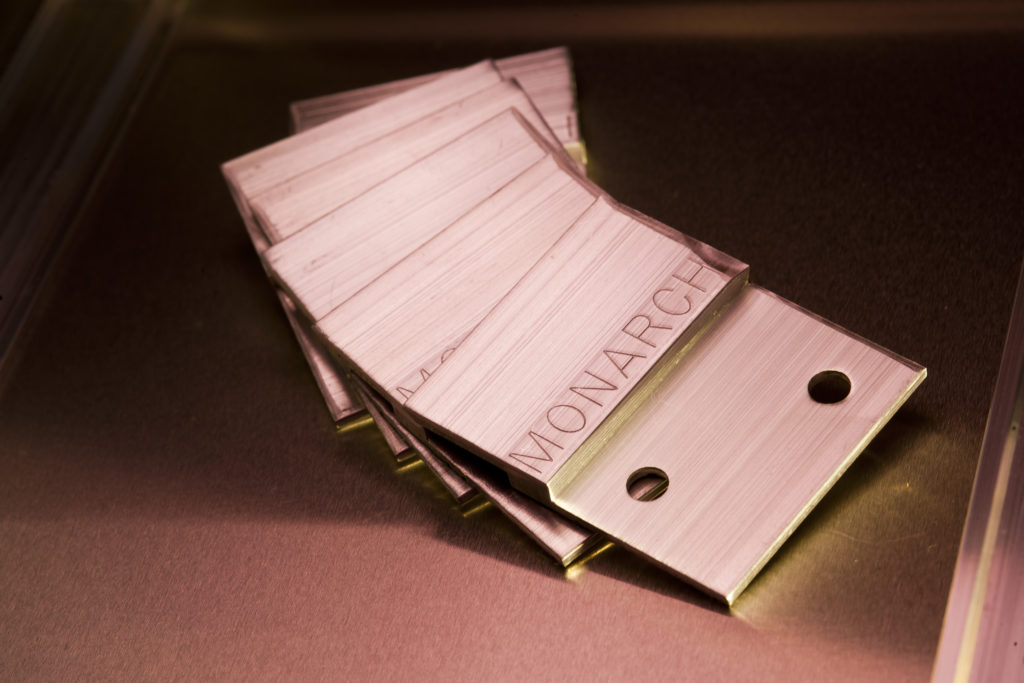
We frequently receive customer inquiries about whether Monarch Z Clips can be mounted to drywall and which fasteners to use when doing so.
In a nutshell, yes, you can mount the continuous lengths to drywall. However, it’s important to remember that the strength of the Monarch Z Clip Hanging Systems derives from the material you are mounting to and the fastener that you select. If you were to mount the continuous lengths with regular sheet metal screws and not penetrate any studs, it is very likely the system would fail with any amount of shear load.
Installing Monarch Z Clips: What Do I Need to Know About Mounting to Drywall/Gypsum?Read More »
Monarch’s MFTAPE: Materials and Installation Factors to Consider
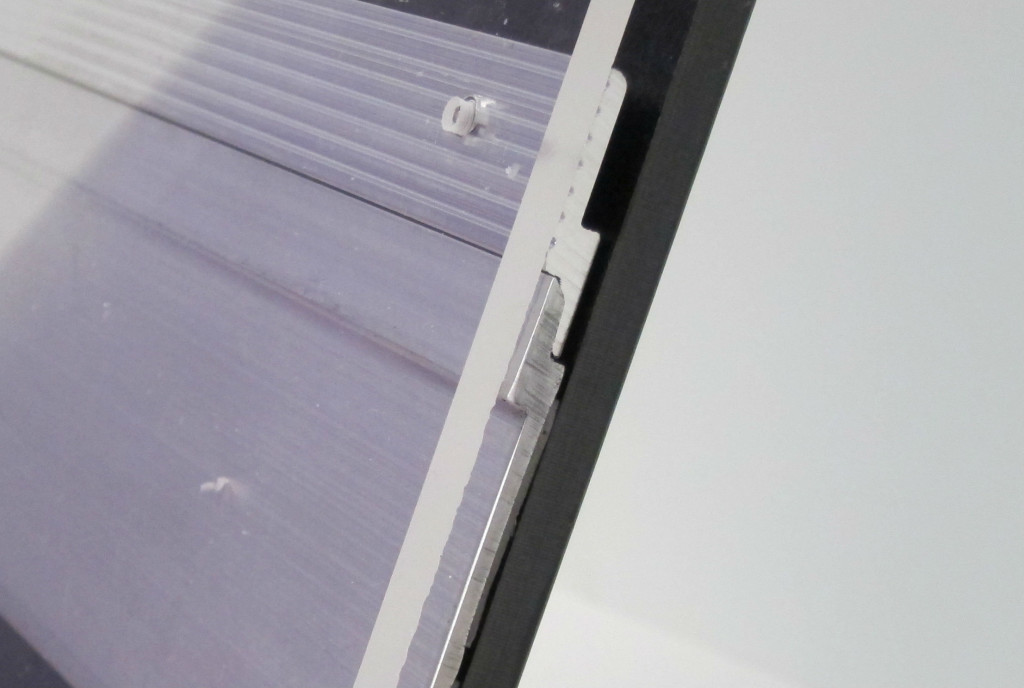
Monarch serves a variety of industries, and it always surprises us when we learn all the diverse ways our customers use our products. Our MFTAPE clip is particularly versatile, and customers have used it on everything from acrylic signs to back painted glass panels.
MFTAPE comes equipped with two strips of pre-applied 3M VHB tape that work via peel-and-stick application. The design is intended to help you install panels easily without having to drill directly into them.
Monarch’s MFTAPE: Materials and Installation Factors to ConsiderRead More »
SlideShare: 5 Ways to Level Up in the Sustainable Manufacturing Game
SlideShare: 6 Ways to Ensure Woodworking Business Success
3 Measurements to Consider When Crafting the Ideal Workbench

The almighty workbench. Every skilled woodworker needs one and every wannabe woodworker dreams of having one. But what exactly goes into a solid, sturdy, beautiful workbench? While hard work may be the first thing that comes to mind (and you’re right about that), precision is more likely the most adequate answer.
Simply put, building a top notch workbench is all a matter of paying painstaking attention to detail and being absolutely certain about the accuracy of your measurements. Still, plenty a woodworker will use any ol’ design they’ve found online or in a dusty workbook to build their workbenches. But as woodworking experts like Popular Woodworking’s Christopher Schwarz point out, personalization is key to designing and building the ideal workbench.
…
3 Measurements to Consider When Crafting the Ideal WorkbenchRead More »
Installing Wall Panels Using Keep-Nut Self Anchoring Inserts
4 Ways to Prevent Woodworking Tools from Rusting
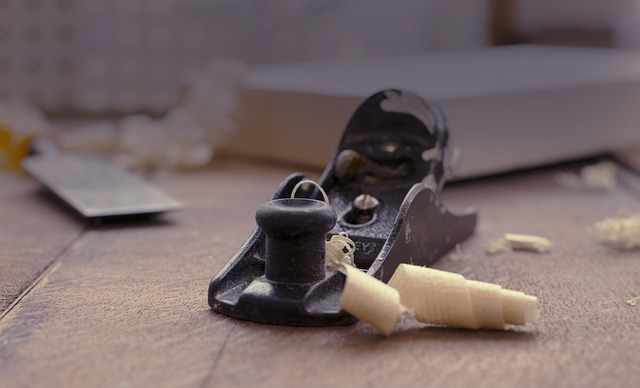
Woodworking tools are a big investment, and there’s no doubt that you’ll want to care for them as adequately as possible. Part of that caring process requires having enough woodworking savvy to know when and how to maintain your tools. Plenty of the tools lying around your shop are made of various types of metal and, if not cared for properly, they’ll rust at the first sign of moisture. While you may still be able to use some of your tools after mild rusting has occurred, it’s only a matter of time before they’re rendered useless. Nevermind the fact that rusty tools are just plain ugly.
…
Monarch Metal How-To: Cutting Aluminum on the Job Site
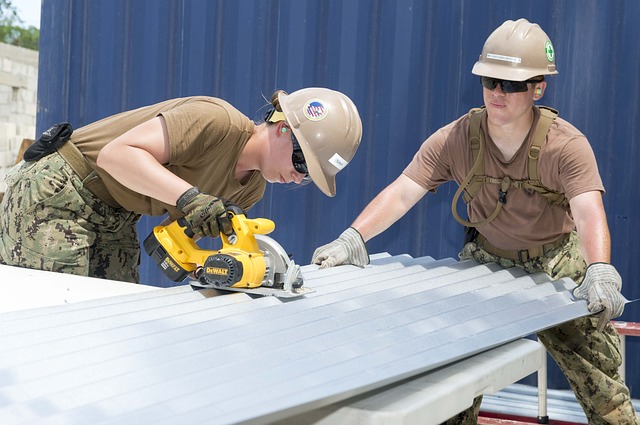
In an ideal world, aluminum would be cut by a fabricator who has the tools and experience to make clean, low-cost cuts. But sometimes, cutting aluminum to size needs to be held off until measurements are taken at the job site, which means it’s up to you and your team to tackle this task.
Luckily, aluminum is a lightweight, soft metal that’s relatively easy to cut–given that you’ve got all the appropriate tools onsite, of course. And if you know your way around those tools, then that makes the job much easier. Even still, adding this extra step to the project at hand will cost you time, money, and work site progress.
…
Monarch Metal How-To: Cutting Aluminum on the Job SiteRead More »


