

Clear Anodized Angles and Flat Bars: A Clean, Durable Solution for Modern Applications
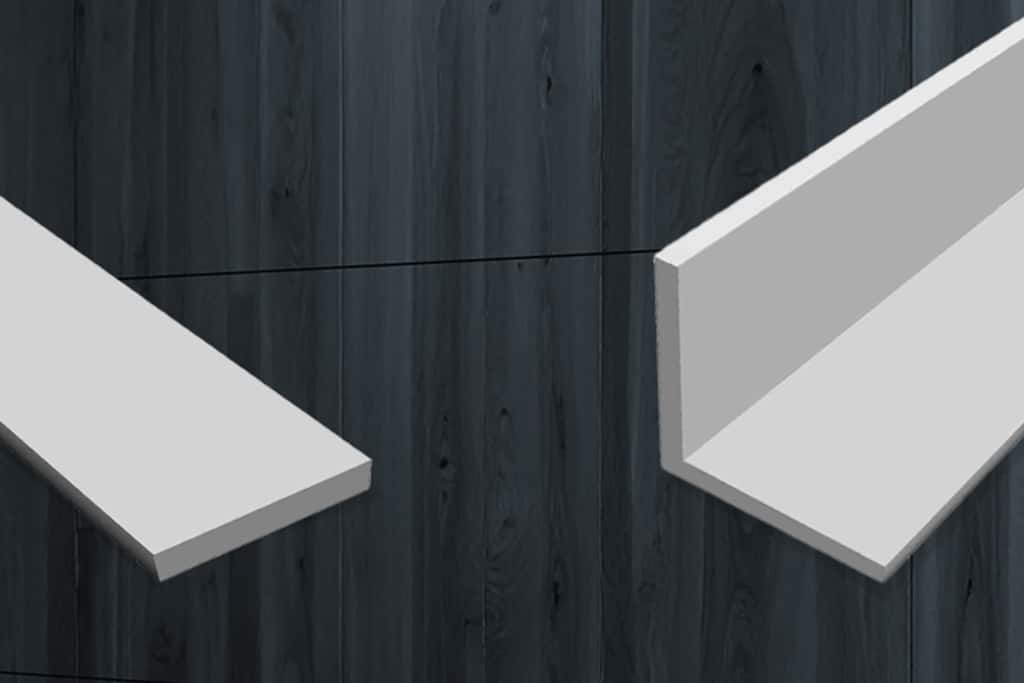
How clear anodized aluminum angles and flat bars deliver clean lines, lasting durability, and consistent finishes for modern architectural applications.
When a project calls for both performance and a refined appearance, material selection becomes critical. In many architectural and fabrication applications, aluminum angles and flat bars serve as essential components for protection, finishing, and clean visual transitions. Choosing the right finish can elevate these simple profiles into long lasting, visually consistent design elements.
Clear anodized aluminum angles and flat bars offer a practical and reliable solution for projects where durability and appearance matter equally. From commercial interiors to residential builds, these products provide a clean, uniform look while standing up to daily wear.
What Are Clear Anodized Angles and Flat Bars?
Aluminum angles and flat bars are versatile profiles used across a wide range of applications. Angles are commonly used for edge protection, framing, and transitions. Flat bars are often used for trim, backing, spacing, or surface protection.
When these profiles are clear anodized, they undergo an electrochemical process that strengthens the natural oxide layer on the aluminum surface. This creates a harder, more durable finish that is integrated into the material itself rather than applied on top.
The result is a smooth, satin appearance that resists corrosion, scratches, and fading over time.
Why Choose Clear Anodized Aluminum?
Clear anodized angles and flat bars are often selected for their balance of aesthetics and performance. The finish provides a consistent, high quality appearance that works well in both modern and traditional environments.
Unlike raw aluminum, clear anodized material is less prone to visible handling marks, oxidation, or surface inconsistencies. It maintains its appearance over time, even in high traffic or exposed conditions.
Key benefits include:
- Enhanced corrosion resistance for interior and exterior use
- Improved surface hardness compared to untreated aluminum
- A uniform, professional appearance with minimal variation
- Low maintenance with no need for painting or coating
This makes clear anodized profiles especially well suited for applications where both durability and visual consistency are important.
Common Applications
Clear anodized angles and flat bars are used in a variety of settings, including:
- Edge protection for walls, panels, and casework
- Trim and finishing details in commercial interiors
- Clean transitions between materials and surfaces
- Architectural accents and design elements
- Backing or spacing components in fabrication projects
Their clean finish allows them to blend seamlessly into a space or complement other materials such as glass, wood, or stone.
Clear Anodized vs Mill Finish
While both clear anodized and mill finish aluminum angles and flat bars serve similar functional purposes, the difference lies in their surface characteristics and long term performance.
Mill finish aluminum is the raw, untreated material as it comes from the manufacturing process. It may show natural variations, surface lines, or handling marks. Over time, it can oxidize and develop a dull or inconsistent appearance, especially in exposed environments.
Clear anodized aluminum, on the other hand, has a controlled and finished surface. The anodizing process enhances durability while providing a more uniform look. It is better suited for visible applications where appearance matters, as well as for environments where corrosion resistance is a concern.
For projects where the material will be seen and expected to maintain its look, clear anodizing is typically the preferred choice.
A Reliable Choice for Long Term Performance
Clear anodized angles and flat bars offer a straightforward solution for projects that demand both function and finish. Their ability to resist wear while maintaining a clean, consistent appearance makes them a dependable option across a wide range of applications.
Whether used for protection, finishing, or design, these profiles provide lasting value with minimal upkeep. For architects, designers, and fabricators, clear anodized aluminum continues to be a practical and proven choice.
Aluminum, Stainless Steel, Steel, and Brass/Bronze: Choosing the Right Metal
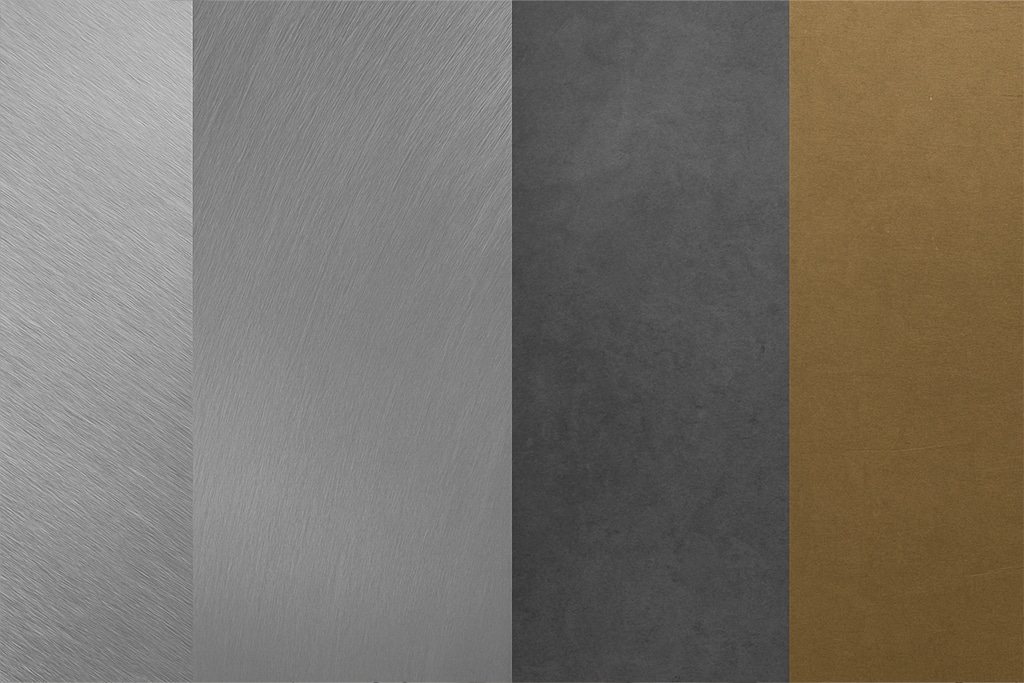
Compare aluminum, stainless steel, steel, and brass/bronze from Monarch Metal. Learn how weight, strength, and corrosion resistance impact your material choice.
At Monarch Metal, we understand that selecting the right metal is just as important as the design itself. The choice between aluminum, stainless steel, steel, and brass/bronze will affect everything from appearance and durability to weight and fabrication. We offer a wide variety of shapes including angles, flat bars, channels, T bars, Z bars, and tubes to meet the needs of projects both decorative and structural. You can explore our full range of architectural metals to see what best suits your project.
Aluminum: Lightweight, Versatile, and Corrosion Resistant
Aluminum is the most widely used metal we supply, and for good reason. It is lightweight, easy to fabricate, and naturally resistant to corrosion thanks to its protective oxide layer. These properties make aluminum ideal for both indoor and outdoor use, especially in architectural trim, decorative accents, and components that require ease of installation. We offer aluminum in a wide range of shapes, including angles, flat bars, channels, T bars, Z bars, and tubes. View our current aluminum architectural metals to find the right fit for your next build.
Stainless Steel and Steel: Strength, Durability and Marine Environment
For projects where strength and structural support are critical, stainless steel and carbon steel are excellent choices. Stainless steel offers high strength along with corrosion resistance, especially true when using 316 stainless steel in a marine environment, making it a dependable solution for demanding environments or areas with high moisture exposure. Carbon steel is known for its strength and cost-effectiveness, though it typically requires a protective coating to prevent rust. These metals are available from Monarch Metal in shapes such as angles, flat bars, and channels. You can browse our full selection of steel and stainless steel metals to support your next project.
Brass and Bronze: Premium Appearance and Longevity
Brass and bronze are copper-based alloys known for their distinctive golden tones and lasting performance. They resist tarnish and wear, making them ideal for decorative applications such as signage, trim, and accent pieces. While heavier and more expensive than aluminum, their rich appearance and long-term durability make them a preferred choice for premium projects. Monarch Metal offers brass and bronze in shapes like angles, flat bars, channels, T bars, and tubes. Explore our brass and bronze offerings to add timeless appeal to your design.
Versatile Galvanized Z-Girts and Hat Channels for Modern Construction

Discover how Monarch Metal’s galvanized Z-girts and hat channels deliver flexible, durable solutions for cladding, roofing, and structural applications across the U.S.
Galvanized substructure components like Z-girts and hat channels play a vital role in a wide range of construction applications, offering a flexible and dependable solution for supporting exterior cladding, roofing systems, and other structural assemblies. Monarch Metal’s galvanized G90 Z-girts and hat channels are available in both solid and vented profiles. These options meet various project needs, whether it’s for moisture control, air ventilation, or structural support behind panel systems.
Monarch’s Z-girts and hat channels are manufactured in standard 18GA and 16GA thicknesses and are designed for strength, corrosion resistance, and easy integration into different building envelopes. These components form part of a rain screen substructure and help maintain a ventilated cavity, promoting airflow and moisture drainage. The choice between vented and solid profiles gives installers greater control over how air and moisture are managed within the wall assembly.
In addition to their structural benefits, Monarch Metal’s galvanized components are available in standard lengths and can also be custom run to virtually any length. This level of flexibility allows contractors and fabricators to minimize waste, reduce labor on-site, and streamline installation. It is especially valuable on projects with unique design or layout requirements.
With a large inventory and fast shipping capabilities from three nationwide locations in New York, Texas, and Nevada, Monarch Metal ensures that standard galvanized Z-girts and hat channels are readily available to keep projects on schedule. Whether used behind cladding, in roofing, or in other construction contexts, these components provide durable, reliable performance and the adaptability needed to meet modern building demands.
Architectural Aluminum Flat Bars: A Durable and Versatile Solution
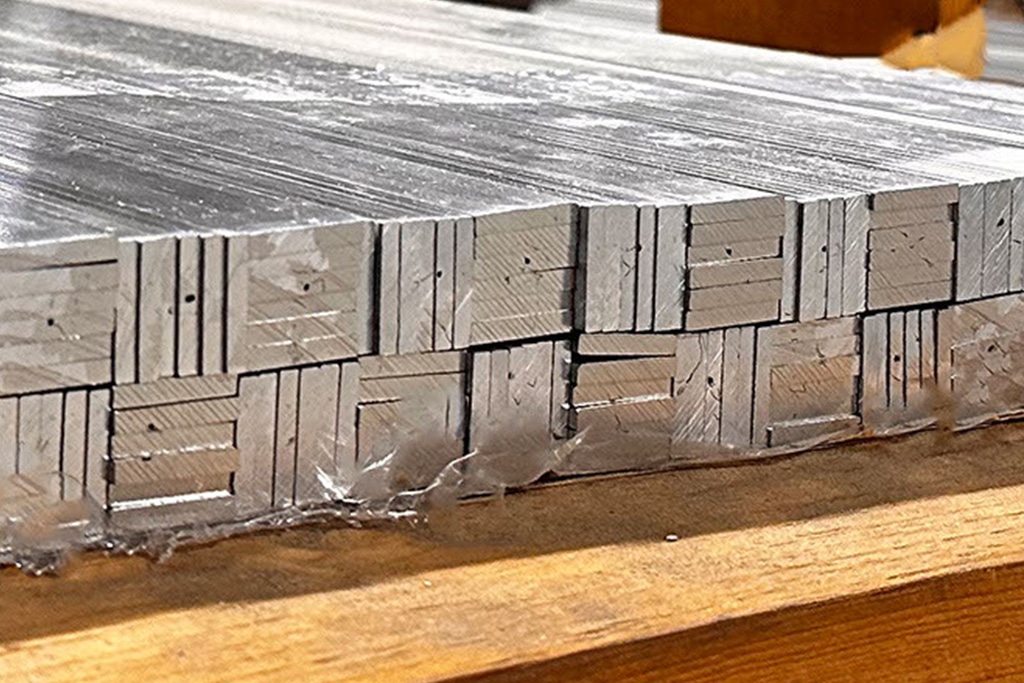
Enhancing Modern Designs with High-Quality Aluminum Flat Bars
Architectural aluminum flat bars are a crucial component in modern construction and design, offering a perfect balance of strength, corrosion resistance, and aesthetic appeal. Made from high-grade aluminum, these flat bars are widely used in decorative trim, and industrial frameworks. Their sleek, lightweight nature makes them a top choice for architects, builders, and designers looking for both functionality and elegance.
One of the key advantages of architectural aluminum flat bars is their exceptional durability and adaptability. Unlike steel, aluminum does not rust, making it ideal for both indoor and outdoor applications. Additionally, these flat bars are easy to cut, shape, and weld, allowing for precise customization in various projects. Whether used for surface protection, millwork, or as a visual aesthetic, aluminum flat bars provide a long-lasting and reliable solution.
Available in multiple sizes and finishes, aluminum flat bars can be tailored to meet specific project requirements. Standard sizes range from 0.75 inches to 1.5 inches in width, with lengths extending up to 16 feet for maximum flexibility. Additionally, options like anodized or powder-coated finishes enhance both the durability and visual appeal, making them suitable for high-end architectural designs.
From commercial buildings to residential applications, aluminum flat bars play a vital role in creating sleek, modern aesthetics. Their lightweight yet robust composition makes them easy to install and maintain, reducing long-term costs. Whether you need a functional support element or a stylish trim accent, architectural aluminum flat bars offer a smart and sustainable solution for contemporary construction projects.
The Versatility of Architectural Aluminum Angles in Modern Design

Discover the Benefits and Applications of 6063-T6 Aluminum Angles for Construction and Finishing
Architectural aluminum angles have become indispensable in modern construction and design, offering a blend of strength, versatility, and aesthetic appeal. Extruded from 6063-T6 aluminum, these angles are engineered to meet the rigorous demands of contemporary architectural applications. Their adaptability makes them a preferred choice for professionals seeking reliable materials for diverse projects.
One of the primary uses of architectural aluminum angles is in finishing millwork and trim. Their precise extrusions allow for seamless integration into various design elements, providing clean lines and a polished appearance. Whether framing doors, windows, or other structural openings, these angles improve both the functionality and visual appeal of the space. Additionally, their corrosion resistance ensures longevity, even in challenging environments.
Beyond aesthetics, architectural aluminum angles serve as protective elements for surfaces prone to wear and damage. They act as guards for edges and corners, preserving the integrity of walls, countertops, and other surfaces. The 6063-T6 aluminum alloy offers an excellent balance of strength and workability, making it suitable for applications requiring both durability and ease of fabrication. This alloy’s properties facilitate cutting, drilling, and welding, allowing for customized solutions tailored to specific project requirements.
Monarch Metal offers a range of architectural aluminum angles available in five widths (0.75″, 1″, 1.25″, 1.5″, 2″) and three standard lengths (48″,96″ and 192″). For projects necessitating specific dimensions, custom lengths up to 16 feet are also available. This variety ensures that architects and builders can select the appropriate size to meet their design and structural needs. With same or next-day shipping options, Monarch Metal ensures that your materials are ready when you are, keeping your projects on schedule.
Shield Your Walls in Style: The Ultimate Guide to Corner Guards
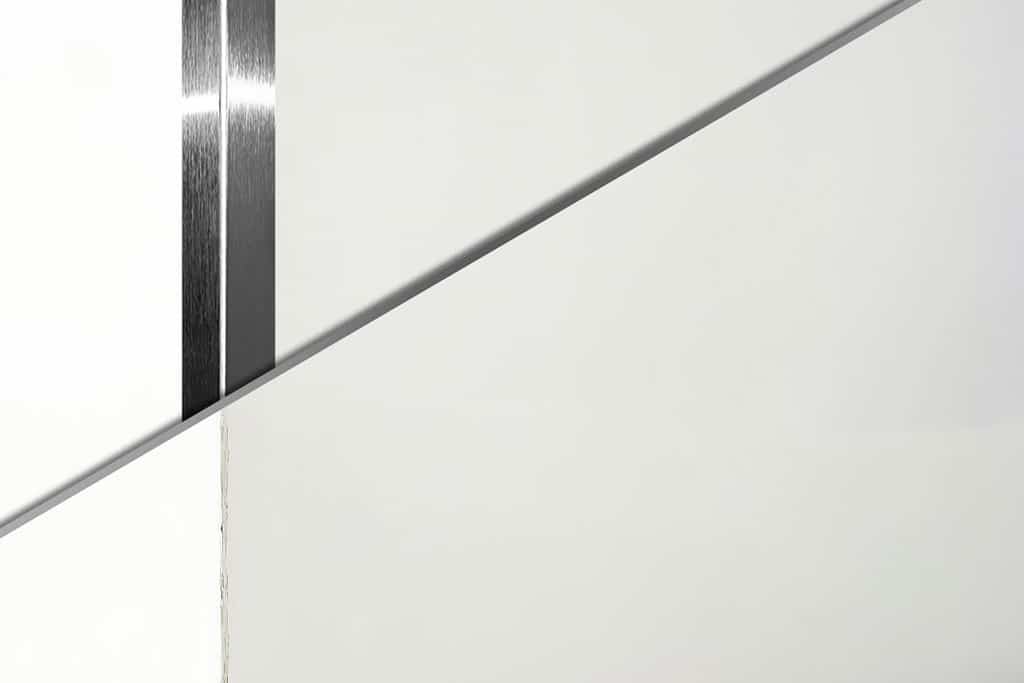
Protect Your Walls with Durable Stainless-Steel Corner Guards
In high-traffic environments such as hospitals, warehouses, retail stores, and commercial spaces, walls are prone to wear and tear over time. stainless-steel corner guards offer an effective solution to protect vulnerable wall edges from damage while enhancing the space’s appearance.
Why Choose Stainless-Steel Corner Guards?
Stainless-steel corner guards provide durable protection against daily wear, ensuring that your walls remain intact and aesthetically pleasing. Manufactured from high-quality 304 alloy stainless-steel, these corner guards are highly resistant to rust, corrosion, and environmental elements, making them a long-lasting investment for any setting.
Durability & Corrosion Resistance
The 304-alloy stainless-steel used in our corner guards offers excellent anti-corrosive properties, ensuring they maintain their integrity even in demanding conditions. With a standard 16-gauge thickness (approximately 1/16” or .0625”), these corner guards deliver exceptional strength without compromising style. The #4 brushed satin finish provides a clean, professional look suitable for any environment.
Customizable Options to Fit Any Project
Our stainless-steel corner guards are available in various widths and attachment options to meet the needs of any installation. Whether you require a simple, sleek design or a more secure attachment, we offer multiple configurations to suit your specific application.
Available Attachment Options:
- Standard corner guards
- Corner guards with countersunk holes (includes #8 screws)
- Corner guards with adhesive tape
Available Width Options:
- 1.5″ Width
- 2″ Width
- 3″ Width
Ideal Applications for Stainless-Steel Corner Guards
Stainless-steel corner guards are essential in a variety of settings, including:
- Hospitals & Healthcare Facilities – Protect walls from gurneys, wheelchairs, and daily foot traffic.
- Retail Stores & Shopping Centers – Prevent damage from carts, shelves, and heavy customer traffic.
- Warehouses & Industrial Facilities – Safeguard walls from forklifts, pallet jacks, and equipment.
- Restaurants & Commercial Kitchens – Maintain hygiene standards while preventing impact damage.
- Hotels & Office Buildings – Keep walls pristine in lobbies, hallways, and service areas.
Easy Installation & Maintenance
Installing stainless-steel corner guards is simple and requires minimal tools. Depending on your preferred attachment option, you can easily secure them with screws, adhesive tape, or direct mounting. Once installed, stainless-steel corner guards require very little maintenance. A simple wipe-down with a damp cloth or stainless-steel cleaner will keep them looking new for years.
Enhance & Protect with Stainless-Steel Corner Guards
Investing in stainless-steel corner guards ensures long-term protection for your walls while maintaining a polished and professional appearance. With multiple sizes and attachment options, our corner guards provide the perfect solution for preserving the integrity of your space. Upgrade your walls with the durability and style of stainless-steel corner guards today!
Galvanic Reaction: Incompatible Metals Responsible for Corrosion
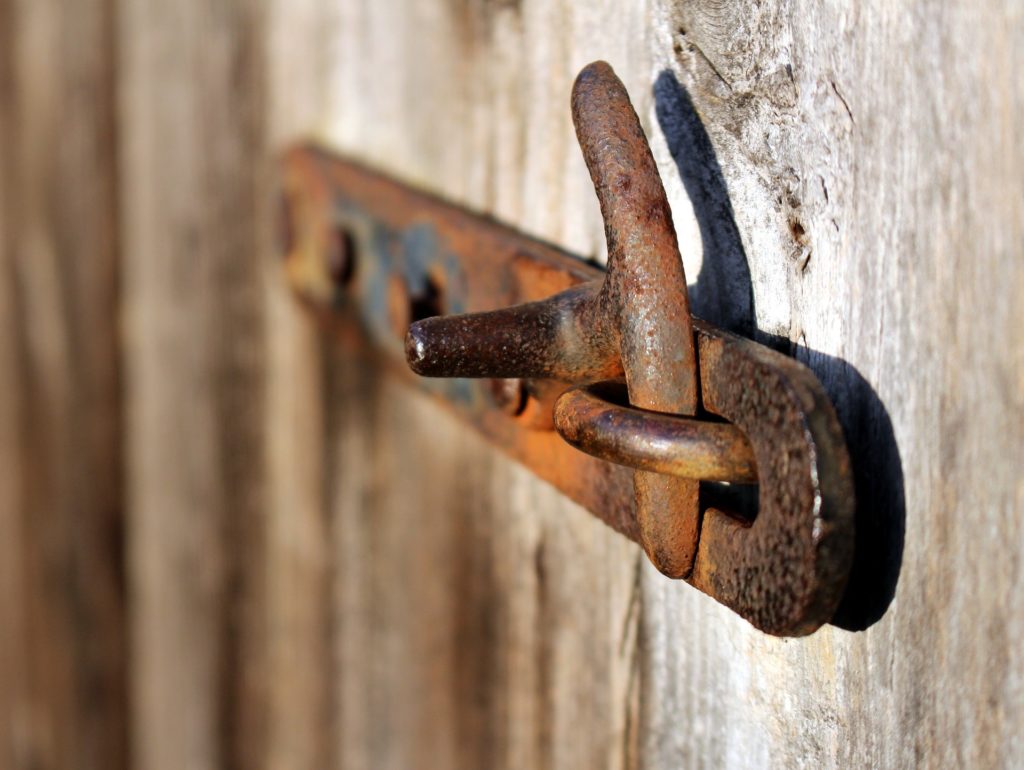
During a maintenance check in the 1980s, workers discovered that the Statue of Liberty had a serious structural issue: the statue’s internal wrought iron support system was rusting over because the insulating layer of shellac between the iron and copper had failed and allowed for galvanic corrosion to occur. Although this was not a surefire recipe for structural disaster, it was still a serious structural issue that took millions of dollars and months of work to ensure Lady Liberty’s structural integrity was better prepared to stand the test of time.
While atmospheric and crevice corrosion are some of the most common causes of metal deterioration in structural components, galvanic corrosion, another common culprit of metal deterioration, is just as widespread. Nonetheless, this pernicious chemical reaction is often misunderstood by many members of the construction industry.
As a designer, builder, engineer, or architect who works with exterior metals, you may have heard of the term galvanic corrosion (also known as bimetallic corrosion), or perhaps at the very least, are familiar with the concept of galvanized metals – such as steel coated with a thin layer of zinc to prevent rust – which employ a “controlled†form of galvanic corrosion to achieve their corrosion resistant properties.Â
While most people know that galvanic corrosion is dangerous, not many know how it works, how its real world consequences play out in terms of structural safety, and what can be done to avoid it.
This article provides important information about galvanic corrosion and related safety considerations.
Â
What is galvanic corrosion?
Simply speaking, galvanic corrosion is the damage or deterioration of metal that takes place between dissimilar metals because of an electrochemical reaction. Specifically, it occurs when two different metals come into contact with each other and have either been submerged or moistened by an electrolyte, with the corrosion taking place around the point where the two metals meet. Additionally, this reaction can be catalyzed by substances that increase the conductivity of water, like salt, and thus the rate of corrosion can vary based on the environment where the reaction takes place.
Galvanic corrosion occurs because each metal has its own electrical conductivity potential. This difference in electrode potential in turn drives a corrosive attack on the positively charged metal (anode), forcing it to dissolve into the electrolyte.
Most commonly, galvanic corrosion can be seen in plumbing systems where a copper pipe is directly connected to a steel or iron pipe. Once in contact both metals can undergo galvanic corrosion because of the electric or galvanic current that takes place at the anode and cathode of the pair of metals.
In addition to environmental salinity, the severity of galvanic corrosion that occurs when two metals come into contact is dependent on several other factors as well, including:
- The dissimilarity of the two participating metals and the difference between the electrode potentials of each of them.
- The surface of each of the metal and whether or not it has a protective film.
- The properties of the electrolyte, including the flow rate, volume, temperature, ionic species, conductivity, and pH.
- Presence of nearby concrete sealed with sodium acetate.
- The humidity, moisture, sun exposure, temperature variation, etc. of the local environment.
- Geometric and physical factors such as surface area, contact point, and the distance between the metals.
- Metallurgical properties such as the alloy mix, mechanical disturbance, and heat treatment.
- Other factors such as reversible electrode potentials, chemical reactions, and microbiological contributors.
Â
Examples of galvanic corrosion
In addition to the example involving the Statue of Liberty cited at the beginning of this article, there have been several other high-profile examples of galvanic corrosion affecting a structure’s integrity.
Another one of these famous examples involves St. Mary’s Cathedral in Tokyo, a prominent Catholic church built in 1964 with a unique metal design. In 2002, a photograph of the building was released, which showed its stainless steel roof, and while it was dirty, it was totally corrosion-free. However, just a few years later, the building’s roof peeled off during a storm. How did this happen? Well, in the intervening years the non-metal separator between the metal roof and metal structure deteriorated significantly. Once this inert separator was lost, galvanic corrosion caused the carbon steel support system to fail. Unfortunately, this is a common theme among lots of these prominent examples: designers often fail to realize that if a cladding or roof system is designed to last throughout the building’s life, then the same should apply to the structural support too.
Now of course not all of us do work involving ultra modern metal churches in Japan, so what are some more real-world examples of the safety implications of galvanic corrosion that the average architect or designer might face? Let’s say, for example, you want to build a stainless steel facade that’s fastened with screws. Now, if you opt for screws coated with zinc, then the stainless steel will aggressively corrode the zinc because fasteners coated with zinc are attacked by this dissimilar metal from all directions. Obviously this is not good: screws and anchors are vital to structural integrity and with the screws corroding, it could lead to structural failure. Not to mention the ugly rust trails and white corrosion that will bleed down the skin of the building as the metals corrode.
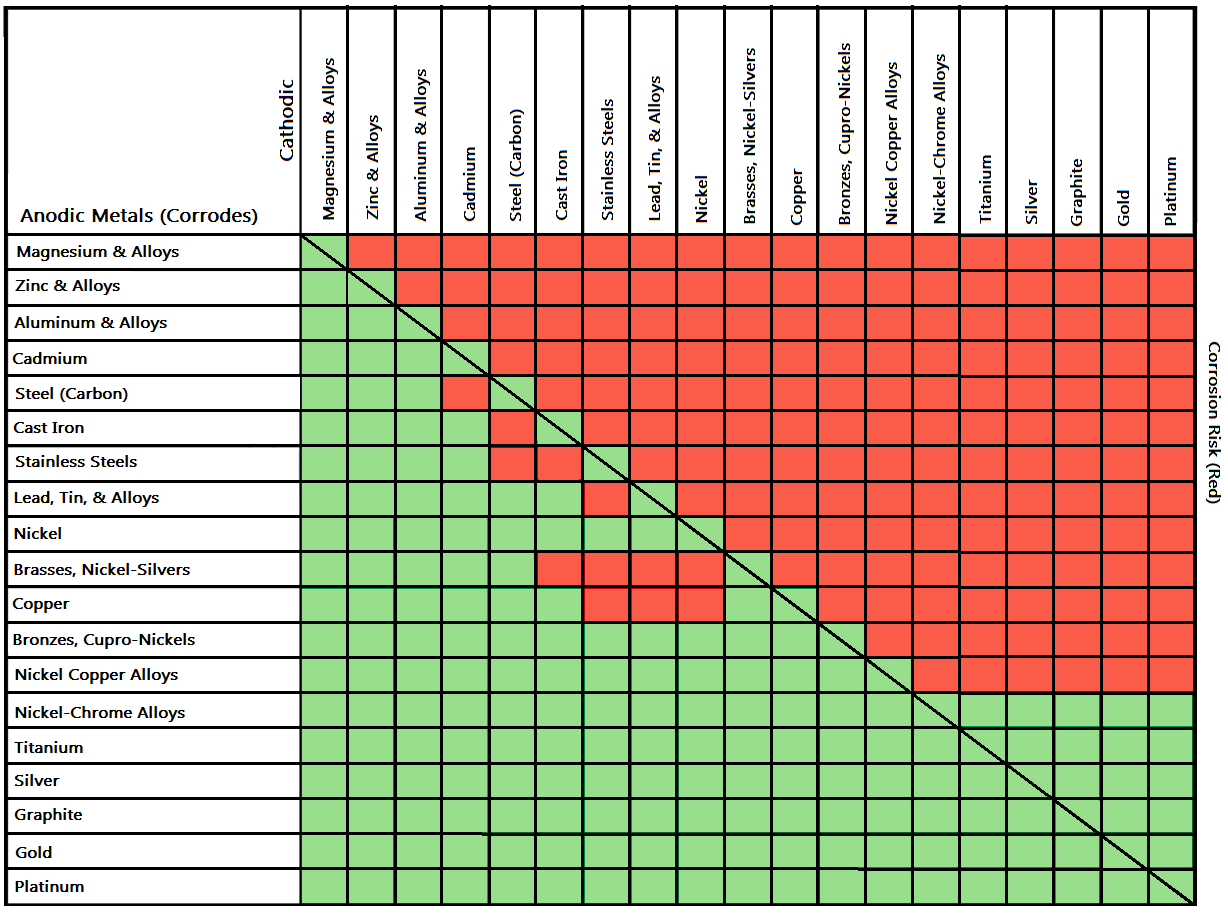
Therefore, it’s only a good idea to choose fasteners coated with zinc on metal if your metal is also the same or has similar nobility to that of zinc. In other words, you can choose zinc-coated fasteners for use with aluminum since it’s much closer to zinc on the galvanic series (a ranking of the molecular similarity of different metals), and therefore less dissimilar which in turn means there won’t be a lot of corrosion. However, you can completely avoid galvanic corrosion by choosing matching metal anchors. So, for example, choosing zinc on zinc would have the lowest risk for corrosion. Use this chart below to better understand what metals will work best together without potential for galvanic corrosion:
Â
How to prevent galvanic corrosion
While keeping the reactivity and nobility of metal structural materials in mind when choosing building components is one way to prevent corrosion from galvanic interaction, it isn’t the only way. It is possible to prevent galvanic reaction in metal structures and materials through the choice of proper building materials and components too. Here are some examples:
Â
- Preventing electrical connections: In cases where two dissimilar metals must be joined together, it’s best to separate them with any non-conductive component, like dielectric fittings on pipes.
- Making use of corrosion-resistant connectors: When joining two dissimilar metals, such as in cases where copper is used with iron pipes, it’s better to use a soldered or brazed joint instead of a threaded or mechanical one since the former is more durable than the latter.
- Choosing the right size or area of the joined metals: When it comes to joining two dissimilar metals, the higher-noble metal should have a smaller area, and the less-noble metal should have a larger area.
- Use antioxidants: when working with copper or aluminum use antioxidant pastes.
- Prevent electrolyte contact: coating metals with hydrophobic substances like grease prevents electrolyte contact, slowing any potential corrosion.
- Using protective coatings in the right manner: If you’re using an anti-corrosive paint or coating, then make sure that both of the metals are coated instead of just one.
- Using a sacrificial anode: In some cases, you can also cover the component with a material that serves as a “sacrificial anode.†So when corrosion does occur, it will only chip away the sacrificial anode and not harm the component underneath until all of the sacrificial anode has been corroded (as is the case with galvanized iron or steel which uses a thin layer of zinc as a sacrificial anode to prevent rust).
Â
Is galvanic corrosion always harmful?
While galvanic corrosion is generally something that is avoided at all costs, in some industries, a controlled galvanic reaction can be used for extending the asset’s life. Combining a metal to such as one that is higher on the galvanic series can spur the corrosion of the anode while protecting the anode’s cathodes that would have been at risk otherwise. This technique is known as cathodic protection, and while it is expensive, it’s a popular choice for hard-to-reach areas like buried pipelines or ships’ hulls.
Â
Conclusion
Galvanic corrosion is an expensive issue which can not only result in ugly rust stains and metal finishes, but is also a serious safety consideration that can lead to catastrophic and deadly structural failure if left unchecked. However, by taking a few measures, it’s possible to ensure that your buildings stay safe from galvanic corrosion. Remember to keep these factors in mind to help prevent and control galvanic reaction and ensure the safety and longevity of your building.
If you need further information about the corrosive properties of the metals we use in our products, please give us a call at (631) 750-3000.
3 Reasons Steel Prices Skyrocketed in 2020
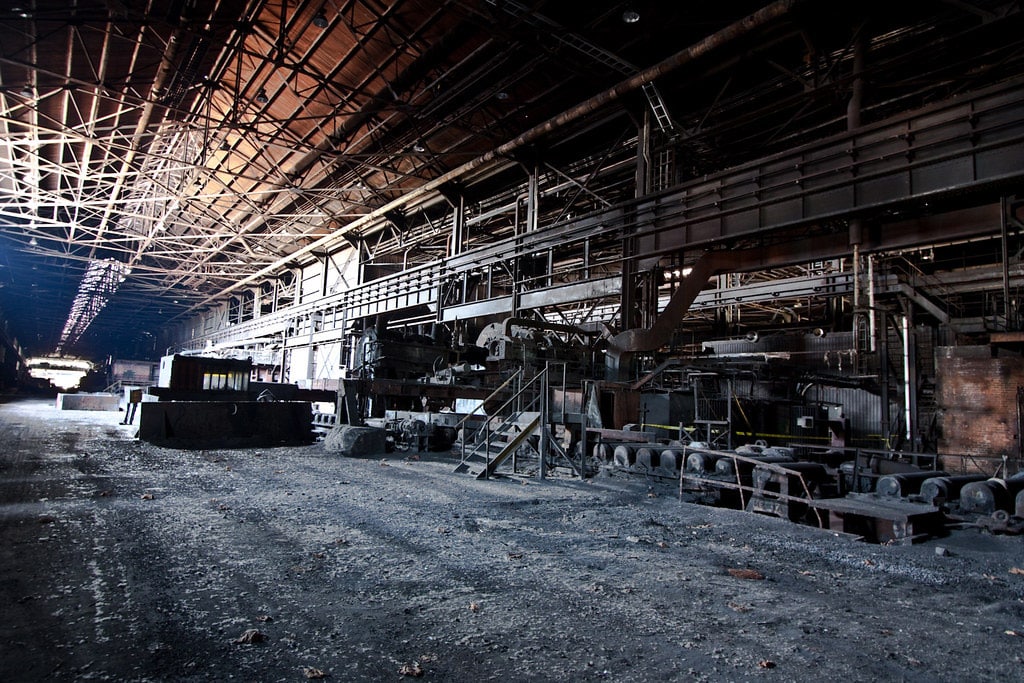
Raw material prices for steel have increased about 60% from the pre-pandemic low in 2020. Prices in the US are forecasted to continue their upward trajectory through at least the first quarter of 2021, but are expected to soften by mid-year. So what exactly happened?
- Many businesses faced unplanned shutdowns due to the COVID-19 pandemic, and steel mills were quick to idle furnaces and curtail production instead of risking uncertainty
- A resurgence in demand in the last months of 2020 while supply and inventory was low drove a rapid escalation in prices, which were further complicated by a raw material scrap shortage
- Steel mills have aggressively raised prices to take advantage of the shortage, with benchmarks like cold rolled steel coil up 100% in 90 days
Additional capacity is expected to come onto the market in 2021 that will ultimately provide relief, but it’s uncertain when this might happen and how much prices may continue to climb before then. Many of the factors that started driving steel prices higher in 2020 are still at play as we enter 2021, and demand for steel is forecasted to grow by 6.7% in North America this year as the economy rebounds. Whether prices start to level out in Q2 or H2 of 2021 appears to be largely dictated by the mills, their utilization rates, and what profit margins they want to make while they’re holding all the chips.
What drove steel prices higher in 2020? Steel production capacity was significantly reduced through 2020 as already slowing demand nearly stopped due to uncertainty in the global economy, and many factories were forced to pause operations during the global Covid-19 health pandemic. Mills that were able to stay open and operating focused on their larger contract orders, pushing price increases and lead times for smaller customers and leading to a shortage in scrap.

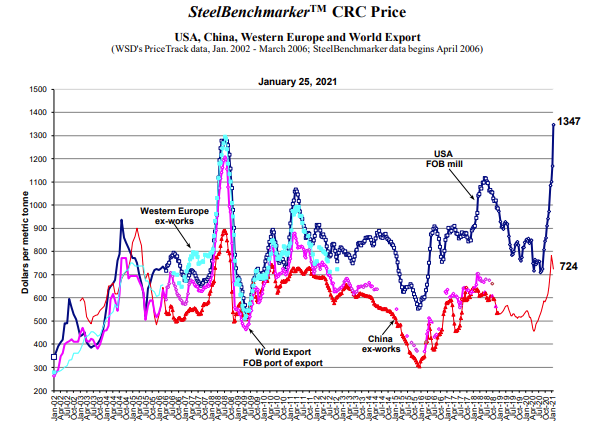
Many feel that mills have been more aggressive than needed with prices increases and are taking advantage of this supply shortage to pad their margins while demand is strong. Mills are continuing to hold on aggressive pricing in 2021 and only offering discounts on large volumes. Lourenco Goncalves, President and CEO of Cleveland-Cliffs, said this of his philosophy regarding mill production: “I have said time and time again that I am for value, not for volume.” Make hay while the sun shines, as they say.

But the pandemic wasn’t the only thing in 2020 affecting steel. Transportation costs increased as steel competes for domestic trucking capacity with many other industries that were seeing a surge in demand including lumber products and ATVs. The price of nickel has also been soaring under tight supply and increasing demand. Though typically under 20% of the composition of stainless steel, nickel may soon be three times the price of chromium per ton making it the largest cost component in many cases. Section 232 Tariff on imported nickel is causing uncertainty on decisions to buy foreign nickel with a 3 – 5 month lead time. Canadian steelmaker Stelco suffered an operations-impacting cyber attack. Pittsburgh-based Allegheny Technologies Incorporated, previously one of the big three, announced they would exit the stainless steel sheet market by mid-2021, opting to shed it in favor of optimizing operations for higher margin business. And in the last quarter of 2020, we saw signs of life as demand starts to pick back up. So now we have supply shortages and excess demand where we before had excess capacity and declining demand.
It appears as though we’ll face some other headwinds into 2021 as well. The Biden administration has highlighted many priorities for the year, and this does not appear to include swift reversal of tariffs or import restrictions. The Covid-19 pandemic continues to impact supply chains around the world. Even China, which has recovered more quickly than much of the world has had to implement new lockdown measures after a wave of cases in the Hebei region, which contributes over 20% to the country’s output of steel. Deliveries by truck have been suspended leaving only rail for transportation, and mills are hesitant to tie up cash during a soft lockdown leading to delays and shortages. Furthermore, demand for nickel isn’t expected to decrease anytime soon, as it’s an important component in nearly every type of electric vehicle battery. Global demand for nickel specifically for use in EV batteries is expected to grow from 60,000 metric tons in 2018 to some 665,000 tons (an 11x increase) in 2025.
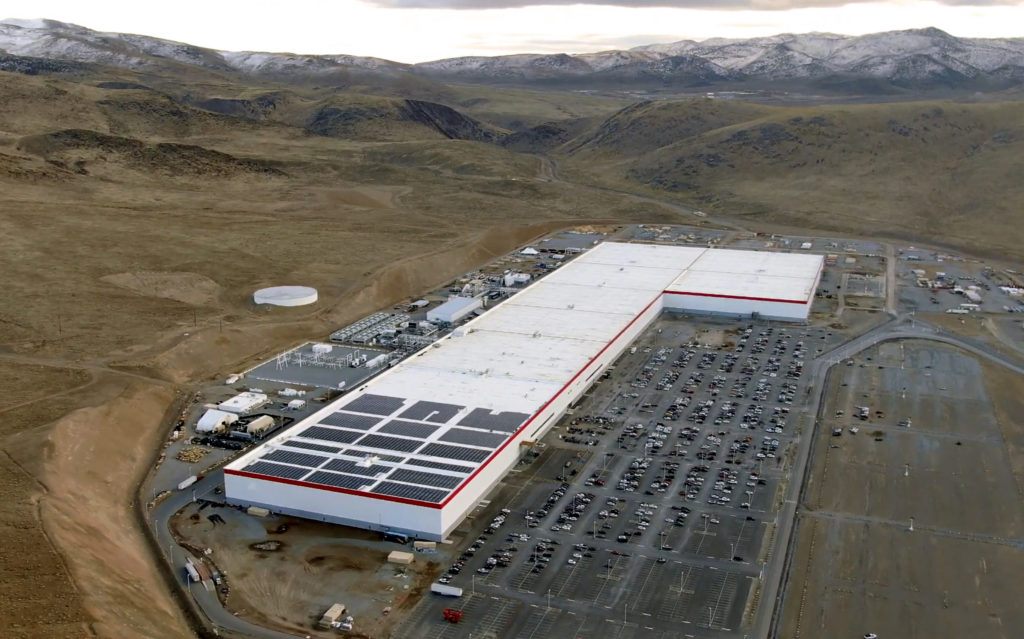
It’s difficult to say exactly when the supply chain will catch up and prices will level off, but according to the American Iron and Steel Institute we should be able to meet demand with current capability. In the week ending on January 16, 2021, domestic raw steel production was 1,738,000 net tons, representing a capability utilization rate of 76.7 percent. That’s still quite a bit lower than the 82.4 percent capability utilization rate for the same week in 2020. Only once the vaccine is fully rolled out in the US and factories are back to operating at pre-pandemic levels will we see the end result of the myriad of factors driving this steep increase in steel.
5 Things You Didn’t Know About the Metal Fabrication Process

Basic metal fabrication involves the forming, shaping, or joining of metal. Typically, this happens through deforming or removing some portions of the raw material.
To many, metal fabrication may seem like a simple one or two step process. But the fact of the matter is, it’s much more detailed and comprehensive than simply pulling metal pieces off the inventory shelf. Here we’ll explore different aspects of metal fabrication to help you be more informed the next time you need to rely on the services of a fabricator:
…
5 Things You Didn’t Know About the Metal Fabrication ProcessRead More »
Do Metals Contribute to Sustainable Building? You Bet They Do
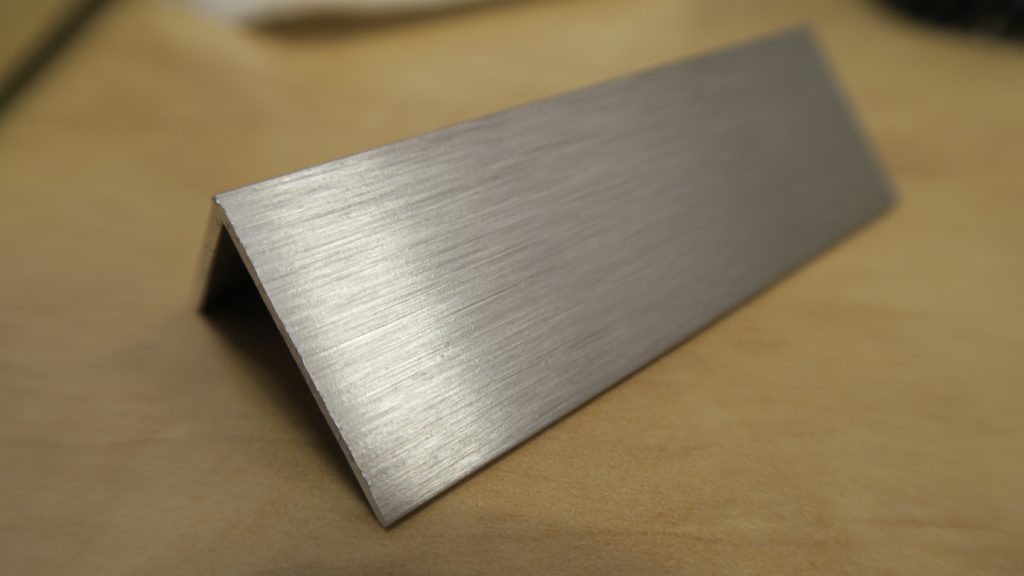 While you may think of wood as the main source of sustainable building material, various metals actually play an integral role in keeping the green building industry going. Here’s how metals contribute to the bigger sustainability picture:
They’re Recyclable
While you may think of wood as the main source of sustainable building material, various metals actually play an integral role in keeping the green building industry going. Here’s how metals contribute to the bigger sustainability picture:
They’re Recyclable Metals like copper, stainless steel, and aluminum are 100% recyclable which means they can be remade into the same product without sacrificing quality. Recycling metal also reduces emissions and uses less energy than mining, milling, and refining new material. Just to give you an idea of how useful recycled metal can be, here are a few stats you might find interesting:
- 90% of end-of-life stainless steel is recycled into new products and most stainless products contain about 60% recycled content.
- Of all the aluminum produced in the United States, around 75% of it is still in use today.
- Approximately 75% of all copper based products contain recycled copper.
 They’re Durable and Versatile
Metals like stainless steel and aluminum are durable and malleable, making them some of the most versatile materials to work with. They can be used on all aspects of green building projects, from core construction and interior design to outdoor applications like solar energy panels.
One of the contributing factors to a metal’s versatility is its content. For instance, the chromium and nickel content in stainless steel protect against rust and corrosion which can happen in high temperatures or severe environmental conditions. Aluminum, on the other hand, naturally forms a layer of oxide that is impermeable and repairs itself when damaged.
This kind of efficiency in application and resistance to the elements makes these materials ideal for sustainability.
Other Sectors Rely on Them
The appeal of metal in sustainable building permeates multiple sectors, including those that enable sustainability to continue. Automotive, construction, transport, and tool industries all depend on metals to function. And it’s the innovations of these industries that help green building forge ahead.
They’re Durable and Versatile
Metals like stainless steel and aluminum are durable and malleable, making them some of the most versatile materials to work with. They can be used on all aspects of green building projects, from core construction and interior design to outdoor applications like solar energy panels.
One of the contributing factors to a metal’s versatility is its content. For instance, the chromium and nickel content in stainless steel protect against rust and corrosion which can happen in high temperatures or severe environmental conditions. Aluminum, on the other hand, naturally forms a layer of oxide that is impermeable and repairs itself when damaged.
This kind of efficiency in application and resistance to the elements makes these materials ideal for sustainability.
Other Sectors Rely on Them
The appeal of metal in sustainable building permeates multiple sectors, including those that enable sustainability to continue. Automotive, construction, transport, and tool industries all depend on metals to function. And it’s the innovations of these industries that help green building forge ahead. 


