

What’s the Difference Between Ferrous and Non-Ferrous Metals?
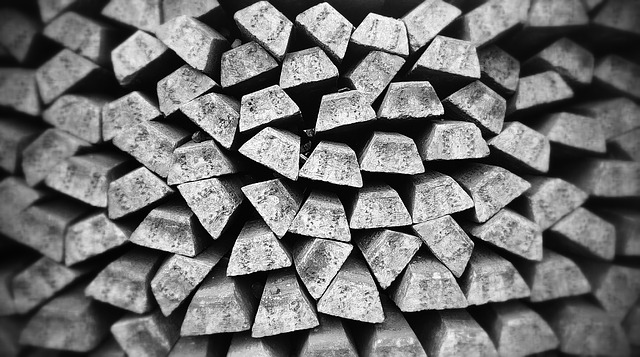
If you’ve ever shopped around for metal, you’ve likely pondered the difference between ferrous and non-ferrous metals. It’s a question that frequently crops up in metal-related conversations and the answer is surprisingly simple: ferrous metals and alloys contain iron while non-ferrous metals do not. But there’s more to it than that. In fact, ferrous and non-ferrous metals have different characteristics, uses, and price points and it’s important to understand these differences when considering which type is most appropriate for your next project. Â Â
…
What’s the Difference Between Ferrous and Non-Ferrous Metals?Read More »
Metal Finish vs. Surface Finish in Metal Fabrication
Have you ever ordered a metal part with a certain finish only to be completely confounded by the finish when you actually received it? Perhaps you asked for a smooth mill finish and received a part that looked a bit worse for wear. Or maybe you expected a mill finish and ended up with a sanded finish instead. Whatever the specifics of the mix up, you can likely chalk it up to a very common misunderstanding: the difference metal finish and surface finish. While these two terms may sound the same, they indicate very different processes. …
Metal Finish vs. Surface Finish in Metal FabricationRead More »
The 5 Grades of Stainless Steel
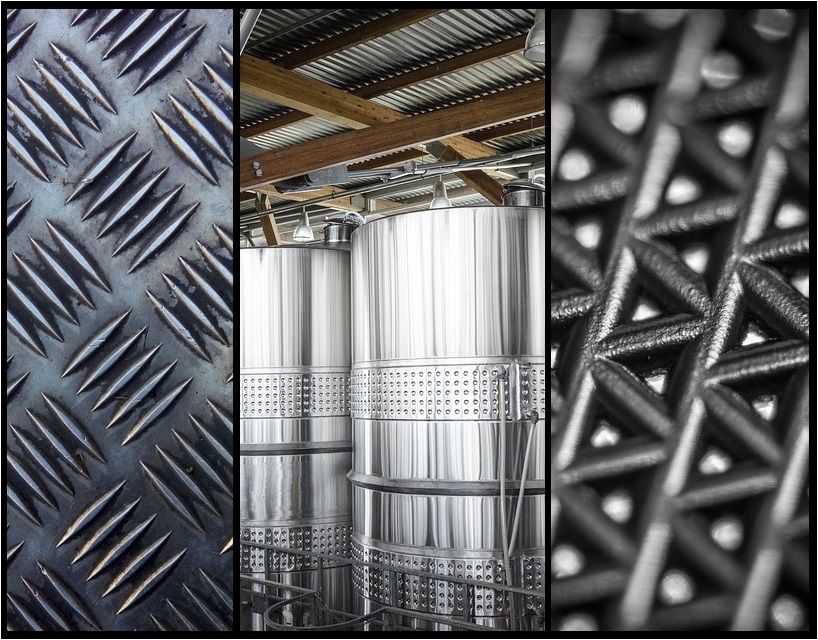
To most people, stainless steel probably sounds like an all-encompassing term. Stainless steel is simply stainless steel, right? Not quite. In fact, there are actually more than 250 different types of stainless steel, all of which can be placed into one of five categories.
Here we’ll explore those five categories and which stainless steel characteristics can be attributed to them:
…
What is Annealing and Why is it Important?
When metal fabricators are tasked with forming complicated parts, they have quite a few tools, strategies, and processes in place to help them get the job done. One important component in their arsenal of tools and knowledge is a thorough understanding of the annealing process.
…
Types of Metal Strength
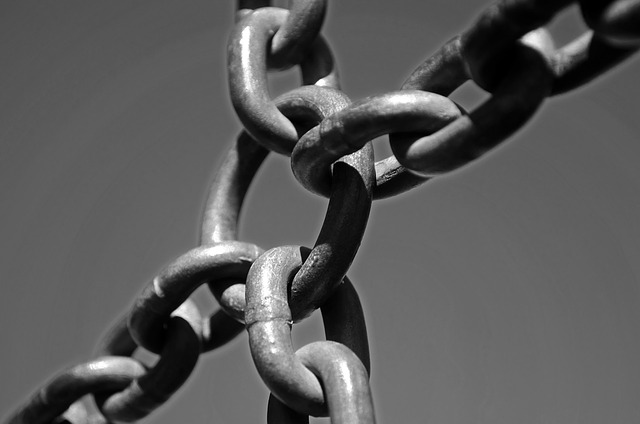
Whether metal is used to make tools, build skyscrapers, or lay railways, strength is an essential consideration when deciding which metal best suits the job. Strength varies from metal to metal and from application to application. As such, there are several different measures of strength to think about when evaluating metal material options.
Here we’ll take a look at some of the different ways metal strength is measured:
…
Methods of Joining and Assembling Metal
[masterslider id=”6″]
Stainless Steel: What’s the Difference Between 304 and 316?
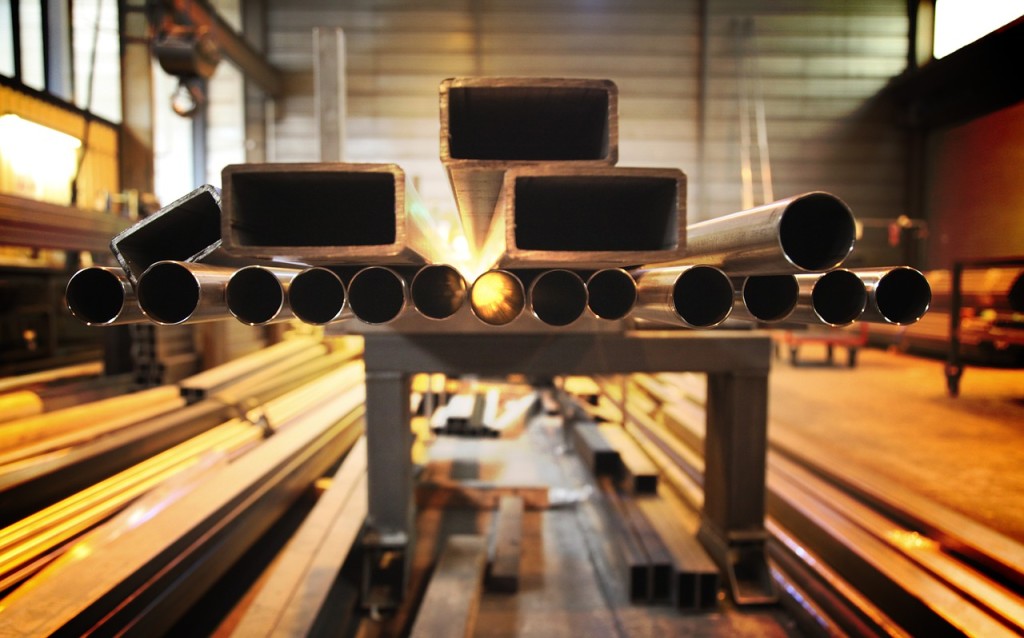
When considering the best strategy for installing your application, choosing the appropriate grade of stainless steel is of paramount importance. While there’s a wide range of stainless steels on the market, we at Monarch Metal typically use two types for our products: 304 and 316. To the untrained eye, these two types may seem interchangeable, especially since they look the same side by side. But, in fact, Types 304 and 316 have very different properties that should be taken into consideration.
Stainless Steel: What’s the Difference Between 304 and 316?Read More »
Stainless Anodize: A Low-Cost Alternative to Brushed Stainless Steel Angles and Channels
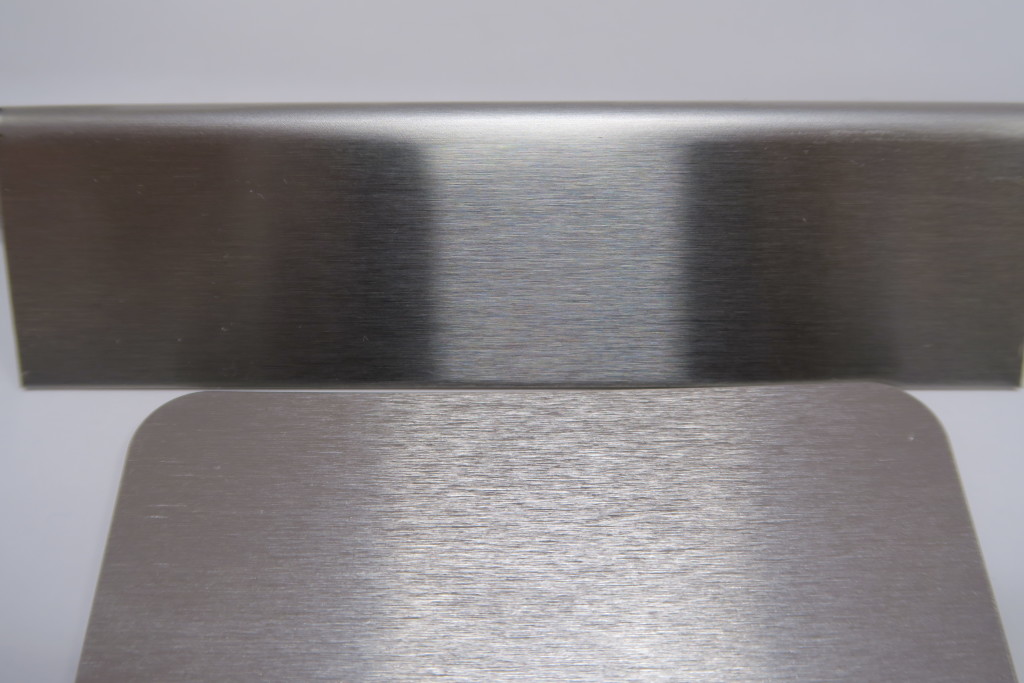
Stainless Steel with a Brushed Finish (Top); Stainless Anodized Aluminum (Bottom)
One of our core values here at Monarch is to really listen to our customers’ needs and accommodate them as best we can. Over the past few months, we’ve gotten quite a few requests for a brushed finish on sharp corner stainless steel products. This can often be cost-prohibitive because these products require long lead times and the material is expensive. So, we’ve spent a lot of time trying to find a less expensive yet high quality alternative that our customers can use.
We’ve recently adopted a new stainless anodize process that gives aluminum parts the appearance of stainless steel. The way it works is that an aluminum part, like an angle or a channel, is first given a brushed finish then anodized with a dye that matches the color of stainless steel. The end product is an aluminum piece that more or less matches the stainless steel finishes you often see on appliances like a stainless steel refrigerator.
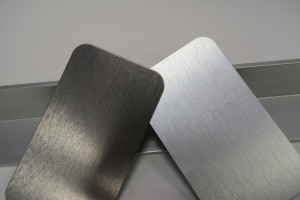
In addition to creating the look our customers want, the stainless anodize process also saves quite a bit of money. Stainless steel is typically more expensive and can be cost-prohibitive when planning both large and small scale projects which makes aluminum a great alternative. Aluminum is also lighter in weight, so it’s less expensive to ship and easier to handle on the job site.
Stainless anodized aluminum is ideal for applications where strength and weight are important considerations. It’s also great for projects where aesthetic is important, but cost effectiveness is a concern.
SlideShare: 5 Things to Consider When Choosing a Metal Fabrication Company
Monarch Metal How-To: Cutting Aluminum on the Job Site
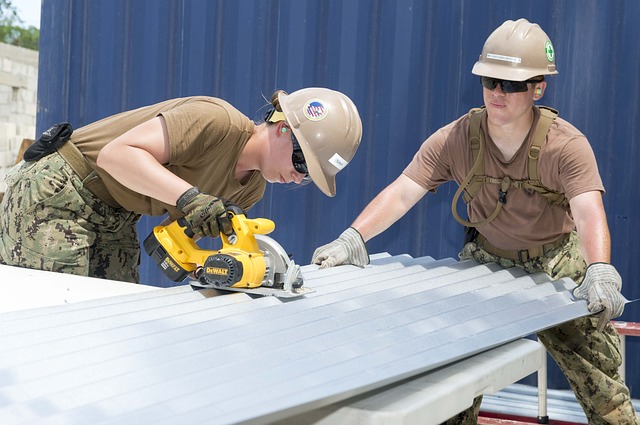
In an ideal world, aluminum would be cut by a fabricator who has the tools and experience to make clean, low-cost cuts. But sometimes, cutting aluminum to size needs to be held off until measurements are taken at the job site, which means it’s up to you and your team to tackle this task.
Luckily, aluminum is a lightweight, soft metal that’s relatively easy to cut–given that you’ve got all the appropriate tools onsite, of course. And if you know your way around those tools, then that makes the job much easier. Even still, adding this extra step to the project at hand will cost you time, money, and work site progress.
…
Monarch Metal How-To: Cutting Aluminum on the Job SiteRead More »


