

Clear Anodized Angles and Flat Bars: A Clean, Durable Solution for Modern Applications
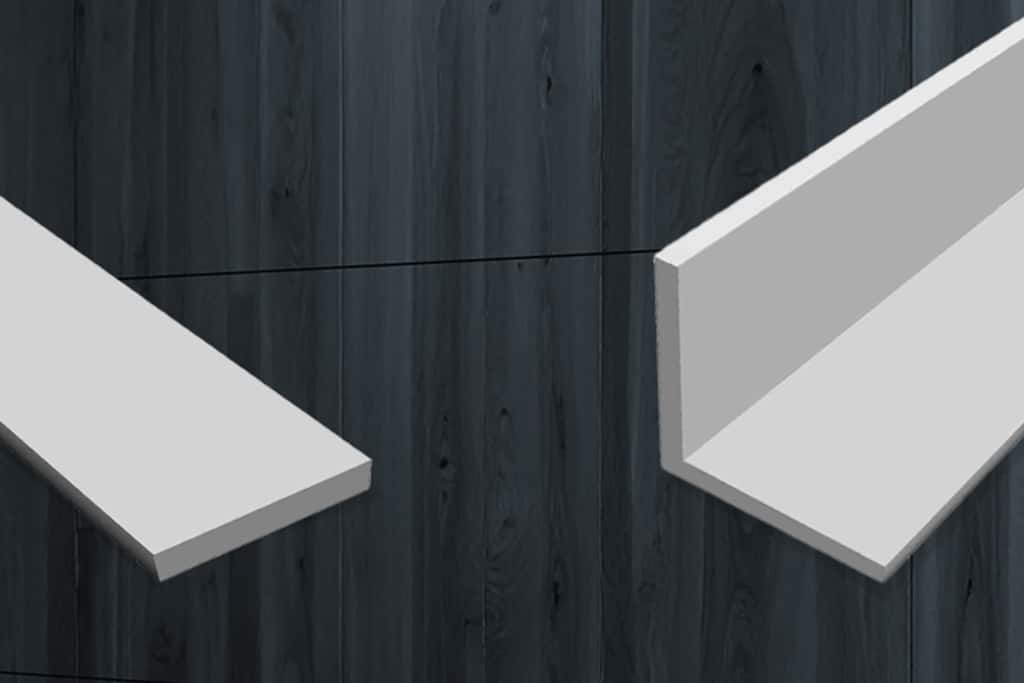
How clear anodized aluminum angles and flat bars deliver clean lines, lasting durability, and consistent finishes for modern architectural applications.
When a project calls for both performance and a refined appearance, material selection becomes critical. In many architectural and fabrication applications, aluminum angles and flat bars serve as essential components for protection, finishing, and clean visual transitions. Choosing the right finish can elevate these simple profiles into long lasting, visually consistent design elements.
Clear anodized aluminum angles and flat bars offer a practical and reliable solution for projects where durability and appearance matter equally. From commercial interiors to residential builds, these products provide a clean, uniform look while standing up to daily wear.
What Are Clear Anodized Angles and Flat Bars?
Aluminum angles and flat bars are versatile profiles used across a wide range of applications. Angles are commonly used for edge protection, framing, and transitions. Flat bars are often used for trim, backing, spacing, or surface protection.
When these profiles are clear anodized, they undergo an electrochemical process that strengthens the natural oxide layer on the aluminum surface. This creates a harder, more durable finish that is integrated into the material itself rather than applied on top.
The result is a smooth, satin appearance that resists corrosion, scratches, and fading over time.
Why Choose Clear Anodized Aluminum?
Clear anodized angles and flat bars are often selected for their balance of aesthetics and performance. The finish provides a consistent, high quality appearance that works well in both modern and traditional environments.
Unlike raw aluminum, clear anodized material is less prone to visible handling marks, oxidation, or surface inconsistencies. It maintains its appearance over time, even in high traffic or exposed conditions.
Key benefits include:
- Enhanced corrosion resistance for interior and exterior use
- Improved surface hardness compared to untreated aluminum
- A uniform, professional appearance with minimal variation
- Low maintenance with no need for painting or coating
This makes clear anodized profiles especially well suited for applications where both durability and visual consistency are important.
Common Applications
Clear anodized angles and flat bars are used in a variety of settings, including:
- Edge protection for walls, panels, and casework
- Trim and finishing details in commercial interiors
- Clean transitions between materials and surfaces
- Architectural accents and design elements
- Backing or spacing components in fabrication projects
Their clean finish allows them to blend seamlessly into a space or complement other materials such as glass, wood, or stone.
Clear Anodized vs Mill Finish
While both clear anodized and mill finish aluminum angles and flat bars serve similar functional purposes, the difference lies in their surface characteristics and long term performance.
Mill finish aluminum is the raw, untreated material as it comes from the manufacturing process. It may show natural variations, surface lines, or handling marks. Over time, it can oxidize and develop a dull or inconsistent appearance, especially in exposed environments.
Clear anodized aluminum, on the other hand, has a controlled and finished surface. The anodizing process enhances durability while providing a more uniform look. It is better suited for visible applications where appearance matters, as well as for environments where corrosion resistance is a concern.
For projects where the material will be seen and expected to maintain its look, clear anodizing is typically the preferred choice.
A Reliable Choice for Long Term Performance
Clear anodized angles and flat bars offer a straightforward solution for projects that demand both function and finish. Their ability to resist wear while maintaining a clean, consistent appearance makes them a dependable option across a wide range of applications.
Whether used for protection, finishing, or design, these profiles provide lasting value with minimal upkeep. For architects, designers, and fabricators, clear anodized aluminum continues to be a practical and proven choice.
Interior Panel Systems: Flexible Wall Solutions for Modern Architectural Design
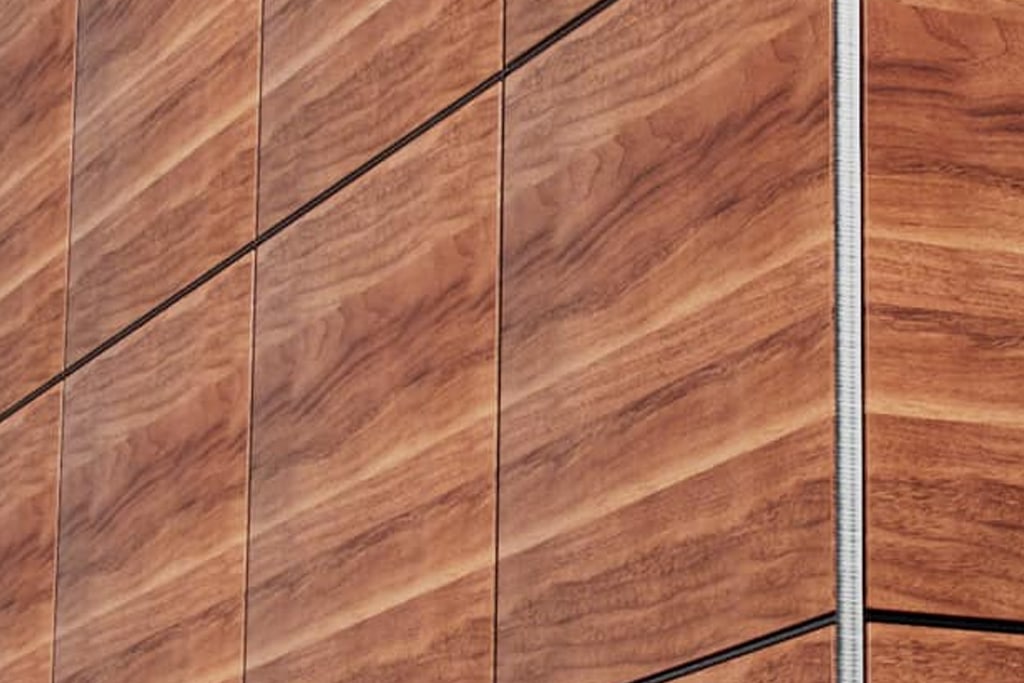
How modern interior panel systems support mixed materials, consistent reveals, and adaptable architectural wall design.
Interior panel systems have become a popular solution for architects and designers looking to create clean, modern wall surfaces that combine visual impact with efficient installation. These systems allow wall panels to be mounted using concealed clips or brackets, creating a structured layout with consistent spacing and hidden hardware.
Unlike traditional wall finishes that rely on adhesives or exposed fasteners, panel systems provide a modular framework that allows panels to be installed, removed, and replaced when needed. This approach supports a wide range of materials and panel thicknesses while maintaining a precise architectural appearance.
At Monarch Metal, interior panel systems are commonly used with architectural trims, mounting clips, and reveal systems that help designers create feature walls with consistent alignment and professional finishes.
What Are Interior Panel Systems?
Interior panel systems are mounting solutions designed to support decorative or architectural wall panels. These systems typically use aluminum trims, clips, or brackets that attach to the wall structure and support individual panels.
The panels are installed into this framework with consistent spacing that creates visible reveals between panels. Because the mounting hardware is concealed behind the panels, the finished wall surface appears clean and uninterrupted.
Interior panel systems are often used with materials such as:
- Wood veneer panels
- Phenolic panels
- Laminate panels
- Glass panels
- Acrylic panels
By separating the mounting system from the panel material itself, these systems allow designers and fabricators to select materials that best fit the aesthetic and performance requirements of a project.
Adapting Panel Systems for Varying Panel Thickness
Many architectural wall designs include panels of different thicknesses. For example, a feature wall may combine thin laminate panels with thicker wood veneer or phenolic panels.
Adaptor clips are commonly used within interior panel systems to accommodate these variations in panel depth. These clips allow thinner panels to be installed within a system designed for thicker materials, ensuring that all panels align properly with the surrounding trims and reveals.
This flexibility allows designers to maintain a consistent reveal pattern across the entire wall, even when multiple materials or panel thicknesses are used in the same installation.
The result is a cohesive wall system that maintains visual consistency while supporting a wider range of panel materials.
Integrating Glass and Acrylic Panels
Modern interior spaces frequently incorporate glass or acrylic panels as part of decorative wall systems. These materials add reflective surfaces, color accents, or backlit design elements that enhance the overall architectural environment.
In some cases, mechanical fasteners may not be desirable for glass or acrylic panels. High-strength mounting tapes can be used as an alternative attachment method, allowing panels to be bonded securely to clips or brackets within the panel system.
When used correctly, this approach allows glass panels to integrate seamlessly into a larger wall system while maintaining the same reveal spacing and trim structure as surrounding panels.
This capability allows designers to combine transparent, reflective, and opaque materials within the same architectural wall feature.
Mixed Media Wall Design
One of the most notable trends in modern interiors is the use of mixed media wall systems. Rather than using a single material across an entire wall surface, designers combine multiple materials to create depth and contrast.
Examples of mixed media panel systems include:
- Wood panels paired with aluminum reveals
- Glass accent panels within composite wall systems
- Acrylic panels combined with laminate panels
- Metal panels integrated with decorative architectural trims
Interior panel systems provide the structural framework that allows these combinations to be installed cleanly and consistently.
Why Interior Panel Systems Are Widely Used
Interior panel systems offer several advantages compared with traditional wall finishing methods:
- Concealed mounting hardware
- Consistent panel alignment and spacing
- Support for multiple panel materials
- Adaptability for varying panel thicknesses
- Serviceability and panel replacement when needed
Because these systems provide both structural support and aesthetic control, they are widely used in commercial interiors, corporate offices, hospitality spaces, retail environments, and architectural feature walls.
As interior design continues to evolve toward layered materials and modular construction, interior panel systems provide a practical solution that balances flexibility, precision, and long-term durability.
Adhesive Z-Clips: The Best DIY Mounting Solution for Panels, Art, and Small Projects

Discover how Monarch Metal’s peel-and-stick Z-clip kits make wall mounting faster, cleaner, and more professional, without power tools or guesswork.
If you’re a DIYer or prosumer searching for an easy and reliable way to hang panels, signs, artwork, or lightweight décor, Monarch Metal’s adhesive-backed Z-clip kits are a simple and professional solution. These peel-and-stick kits use 3M VHB adhesive to eliminate the need for drilling into your piece, allowing for clean, floating installations with no visible fasteners. Whether you’re mounting acoustic boards in a home studio, back painted glass, a mirror or custom signage in a workspace, these clips give you a sleek result with minimal effort.
Each kit in Monarch’s adhesive Z-clip line comes pre-packed with matching clip and rail lengths, offered in four convenient sizes to suit a range of small to medium mounting projects. You can choose from 12″, 24″, 36”, or 48″ options, depending on the size of your display. Every kit includes both the wall rail and the adhesive-backed clip, along with all the necessary mounting screws for the attachment of the wall rail to the substrate. The standard 3/8″ lift-off and .293″ projection allow for secure engagement while maintaining a low profile, perfect for tighter spaces where clean design matters.
What makes these kits ideal for DIYers is the simple peel-and-stick setup. You apply the adhesive clip to the back of your object, mount the included wall rail using screws, and then lower the piece onto the wall rail. The traditional Z-clip profile creates a strong mechanical hold through vertical engagement, no snapping or pushing required. It’s the same proven system used in professional installations, now streamlined for smaller-scale personal projects.
Whether you’re building a gallery wall, hanging signage, or mounting decorative panels, Monarch’s adhesive Z-clip kits make the job easier and cleaner. With four kit lengths to choose from and all necessary hardware included, there’s no need for cutting,measuring, or sourcing extra parts. It’s a modern, low-profile mounting solution that delivers pro results, no power tools or contractors needed.
You can also use our dual adhesive-backed MFTAPE Z-Clip if you need more bonding strength. In any case, we have you covered.
Mill Finish vs. Clear Anodized Aluminum Slatwall: Which Is Right for Your Space?

Choosing the Right Aluminum Slatwall Finish: Mill Finish vs. Clear Anodized
When selecting aluminum slatwall for your space—whether it’s a retail display, garage storage wall, or workshop setup—the finish of the slatwall plays a big role in both function and appearance. Two of the most common finish options are mill finish and clear anodized, each offering unique benefits depending on your needs and environment. Understanding the differences between the two can help you make a smarter investment and avoid unnecessary costs or maintenance down the road.
Mill finish refers to aluminum that is left in its natural, untreated state after the extrusion process. It has a dull, matte gray look and may show some surface imperfections like streaks or light scratches. This finish is best suited for industrial applications, hidden installations, or projects where the aluminum will be painted, coated, or otherwise modified. Its affordability and raw aesthetic make it ideal for budget-conscious buyers who prioritize function over form.
In contrast, clear anodized aluminum goes through an electrochemical process that thickens its natural oxide layer, resulting in a smooth, satin silver finish that’s both visually appealing and highly resistant to corrosion and wear. This makes it perfect for retail environments, showrooms, and any space where presentation and longevity matter. The anodized coating won’t chip, peel, or fade over time, making it a low-maintenance and long-lasting solution for high-traffic areas.
Ultimately, your decision comes down to the specific needs of your project. Choose mill finish if you’re customizing the panels, working in a backroom or workshop setting, or want the most economical option. Go with clear anodized if you’re outfitting a space that requires a modern, polished look with added durability. Both options provide the strength and versatility aluminum slatwall is known for—the right finish just depends on how you plan to use it.
Enhance Your Interiors with Monarch Metal’s Snap Panel System: A Seamless Wall Solution
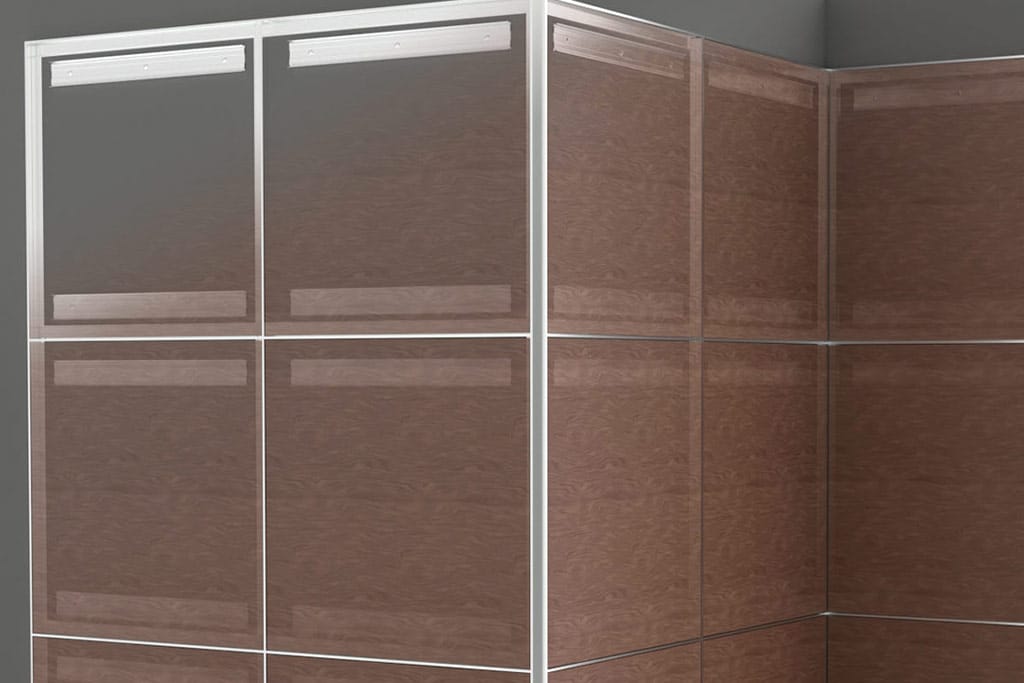
Transform Your Space with Monarch Metal’s Snap Panel System
When it comes to modern interior design, achieving a seamless and sophisticated look is essential. Monarch Metal’s Snap Panel System is a game-changer for architects, designers, and contractors looking for a high-end wall paneling solution. Designed with precision and engineered for durability and built upon our patent-pending MSNAP wall and rail solution, this system allows for hidden fastener installation, ensuring a clean and elegant aesthetic without exposed screws or bolts. Whether for corporate offices, retail spaces, or luxury residential projects, the Snap Panel System delivers both style and performance.
One of the standout features of the Snap Panel System is its easy non-progressive installation process. Unlike traditional wall paneling methods that require complex framing and visible fasteners, this system utilizes a straightforward snap-on mechanism. This reduces installation time and labor costs, making it an excellent choice for projects with tight deadlines. Additionally, the system’s adjustable panel sizing provides flexibility in design, accommodating a variety of wall dimensions and layouts.
Beyond aesthetics, Monarch Metal’s Snap Panel System is built for long-term durability and low maintenance. Made from high-quality clear anodized 6063-T6 Aluminum, it resists wear, impact, and moisture, making it ideal for high-traffic environments. Its concealed fastening method not only enhances the visual appeal but also eliminates dust and grime buildup around hardware, simplifying cleaning and upkeep. This makes it a preferred choice for spaces that require both form and function, such as medical facilities, hotels, and corporate lobbies.
The Snap Panel System consists of wall rails, panel rails, edge trims, reveals, and corner trims, designed to seamlessly integrate with panels supplied by architectural millworkers or other providers. For those seeking a modern, streamlined wall paneling solution, Monarch Metal’s Snap Panel System offers an unbeatable combination of design versatility, efficiency, and durability. Whether you’re renovating an existing space or starting a new build, this innovative system ensures a sleek, polished finish with minimal effort.
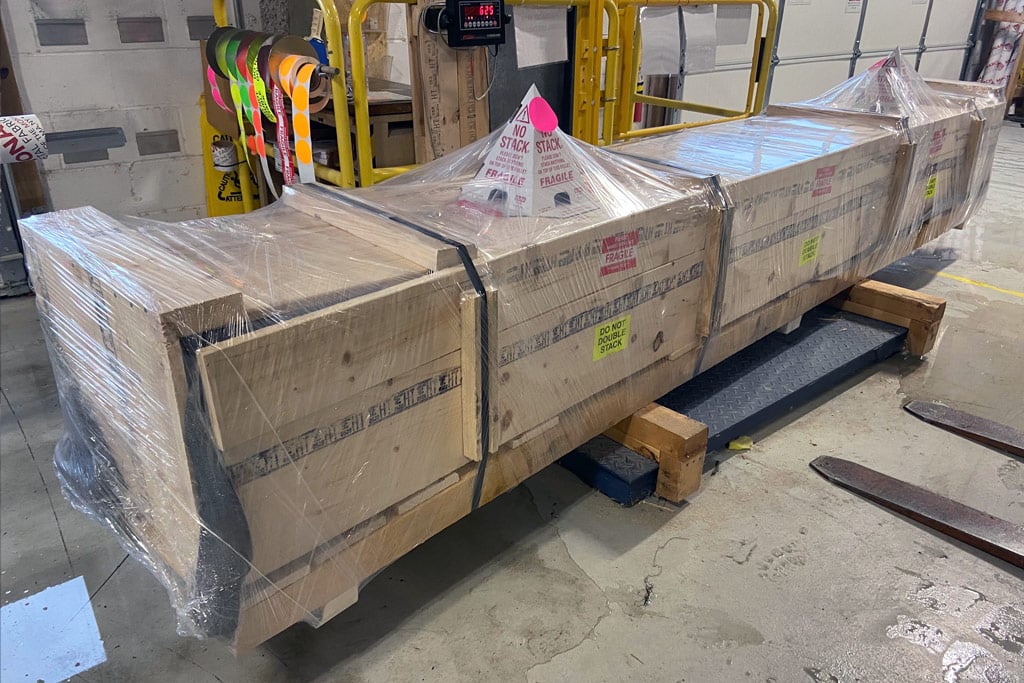
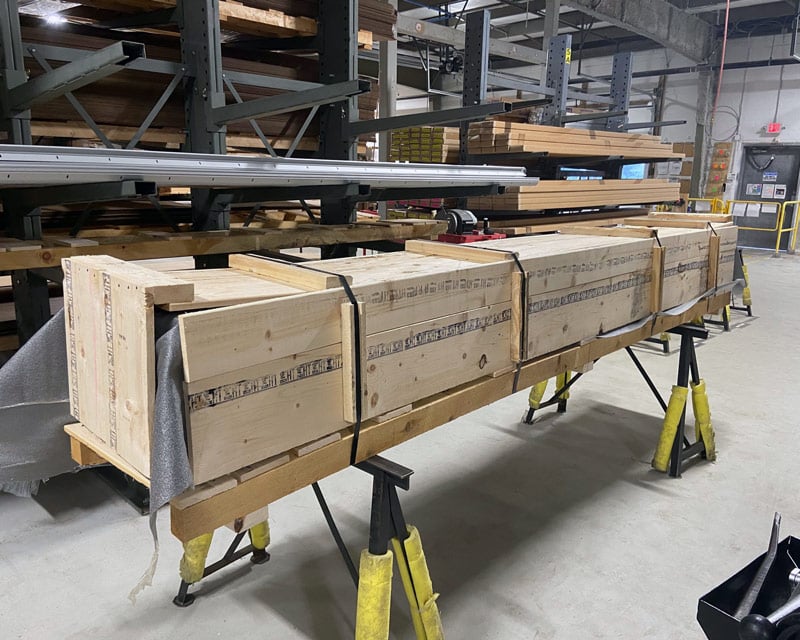
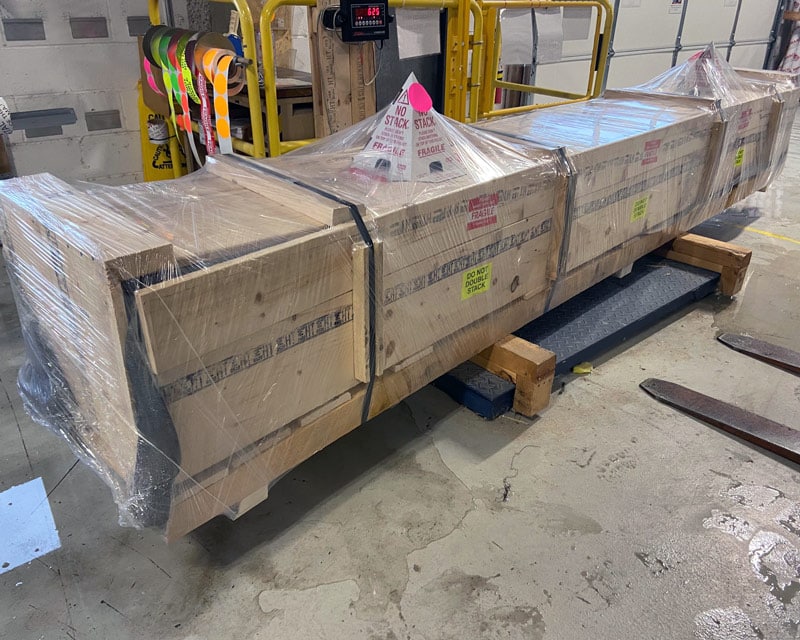
The Importance Of Properly Packaging Orders For Shipping And Transit




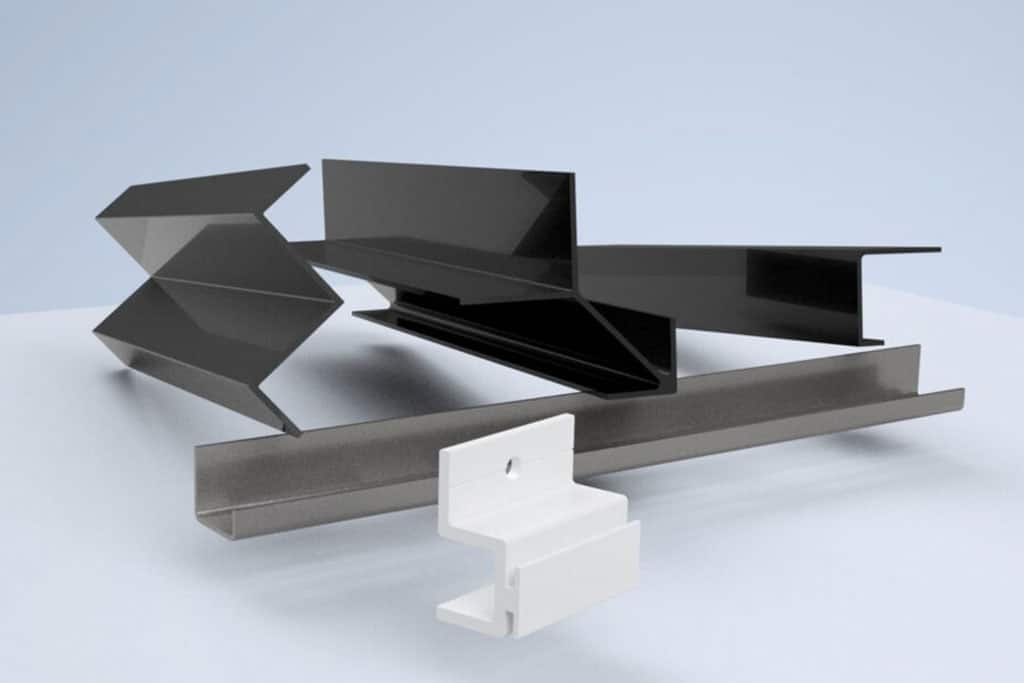
Monarch’s New Time, Labor, and Lumber-Saving Trespa Pura System

Industry Interview with Andrew Morris of Chemical Concepts

Stainless Steel Standoffs: Custom Heights and Diameters
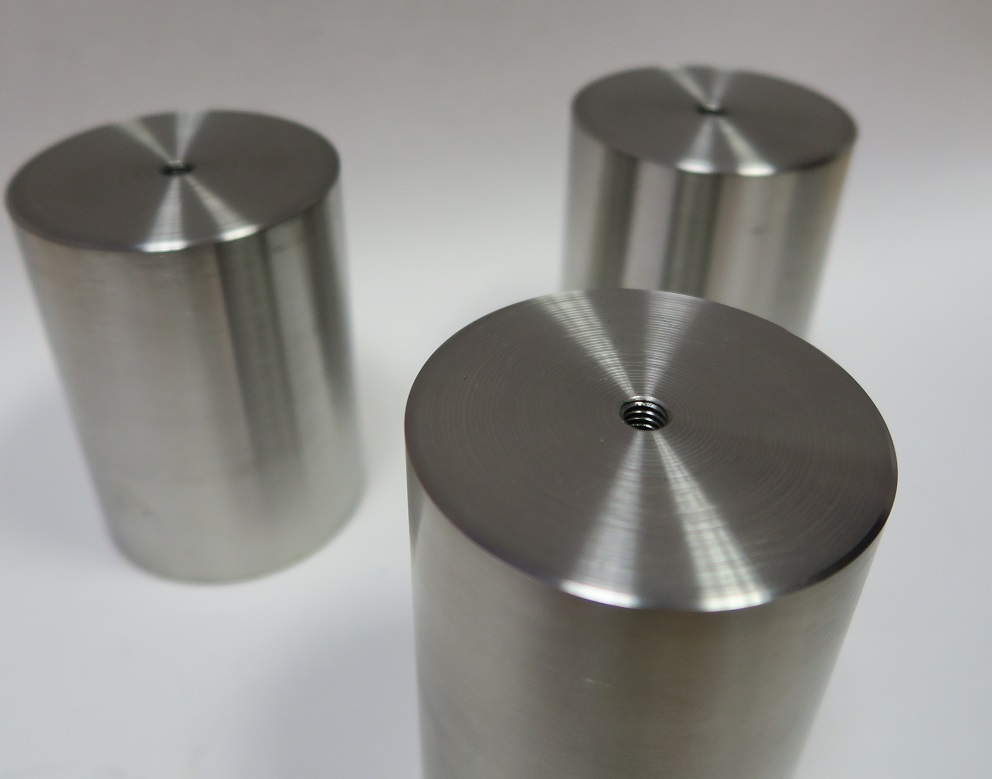
We’ve recently had a number of customers requesting stainless steel standoffs of varying lengths and diameters. Typically, we make standoffs up to 2 inches in diameter and 6 inches in height, so some of these custom jobs have been real treats for us.
Stainless Steel Standoffs: Custom Heights and DiametersRead More »
Installing Monarch Z Clips: What Do I Need to Know About Mounting to Drywall/Gypsum?
We frequently receive customer inquiries about whether Monarch Z Clips can be mounted to drywall and which fasteners to use when doing so.
In a nutshell, yes, you can mount the continuous lengths to drywall. However, it’s important to remember that the strength of the Monarch Z Clip Hanging Systems derives from the material you are mounting to and the fastener that you select. If you were to mount the continuous lengths with regular sheet metal screws and not penetrate any studs, it is very likely the system would fail with any amount of shear load.
Installing Monarch Z Clips: What Do I Need to Know About Mounting to Drywall/Gypsum?Read More »


