

The Future of Manufacturing: Are We in the Midst of a Robot Takeover?
Robots often get a bad rap. Sci-fi novels and films have painted them as evildoers looking to take over our lives and our jobs. Pundits and politicians have largely done the same. But today’s innovative technology is proving that quite the opposite is true. Not only are robots creating jobs but they’re also making existing jobs more convenient. And, to top it all off, they work side-by-side with humans in a relatively peaceable manner.
They’re helping manufacturers turn bigger profits and making operations more efficient. They’re powerhouse machines that can work hour after hour without fatiguing to the point of needing a break. They don’t require salaries or benefits which prompts manufacturers to allocate money for other uses–such as hiring a robot operator or maintenance technician.
And because these machines can do repetitive tasks endlessly with a high degree of accuracy, they boost employees’ productivity in other areas that require a human touch.
Simply put: Robots act as a cost-effective and complementary component on the warehouse floor which makes for a higher quality product that consumers are compelled to by.
Types of Robots
While entertainment of the Sci-fi variety has conditioned us to believe that most or all robots take on human-like forms, the reality is that in manufacturing this simply isn’t true. Sure, some have arms and even “eyes†but for the most part, industrial robots are just…well, machines that help people get stuff done.
Here’s a look at some of the robot types on warehouse floors today:
- Cartesian Robots: Â Typically used in the automotive and auto component industries, Cartesian robots are noted for their linear movement and ability to move and carry heavy loads. Manufacturers rely on them for accuracy and repeatability when cutting drilling, stamping, or welding materials. Because of their versatility, especially in metal fabrication operations, these robots are gaining popularity in the metal and food/beverage packaging industries.
- Articulated Robots: Â Articulated robots are distinctly different than Cartesian robots in that they use rotating movement to achieve a full range of motion. They’re most often used in the automotive industry for assembling and material handling but they can also be used for welding, picking, cutting, and spraying materials.
- SCARA Robots:  Selective Compliance Assembly Robot Arms or SCARA robots have a parallel axis joint that acts as an arm and are used to for assembly, pick and place, and loading/unloading operations. In comparison to Cartesian robots, SCARA robots are cleaner and faster and more suited to high speed assembly. They’re often used in the automotive, electrical, and electronics industries.
Companies Making a Splash in Robotics
Many companies have happily adopted robotics as a key component in their business strategy. These are just a few:
Formerly known as Kiva Systems and acquired by Amazon in 2012, Amazon Robotics LLC uses robots to provide smarter, faster, and more consistent customer service. The robots, which move autonomously around the warehouse floor, are used to make warehousing operations like picking and packing quicker, easier, and more efficient all around.
While Amazon has no plans to share the technology with competitors, the Kiva Systems acquisition opened up a world of robotics possibilities for other companies to explore.
2. Kuka Robotics
Kuka Robotics produces a number of industrial robots designed specifically to aid manufacturers in production. Kuka strives to customize a manufacturer’s robotics experience by tailor-making robots to a specific need. Altogether, there are eight types of Kuka robots:
- Six axis robots
- Welding
- Cleanroom
- Shelf-mounted
- Palletizers
- Heat-resistant
- Press-to-press
- High accuracy
Each one comes equipped with a dependable, programmable PC-based system that manufacturers can use to streamline their production processes.
3. Rethink Robotics Â
Rethink Robotics provides manufacturers with robots that can easily adapt to real world variability. Using embedded cameras that work as “eyes,†these robots–called Baxter and Sawyer–can change applications quickly as well as ‘feel’ their way through any task. As such, they can perform a wide variety of tasks and work around obstacles that may hinder progress on a job.
All in all, technology has advanced to the point where industrial robots can be an asset to manufacturing companies. While robots are changing the way companies do business, they are largely acting as collaborators that can work side-by-side with humans to help meet or exceed goals. This isn’t a bad thing. In fact, it should be embraced as a mark of progress that helps companies and workers alike expand their knowledge of industry and the possibilities that lie ahead.
Job Training Programs: How 4 Companies are Closing the Manufacturing Skills Gap
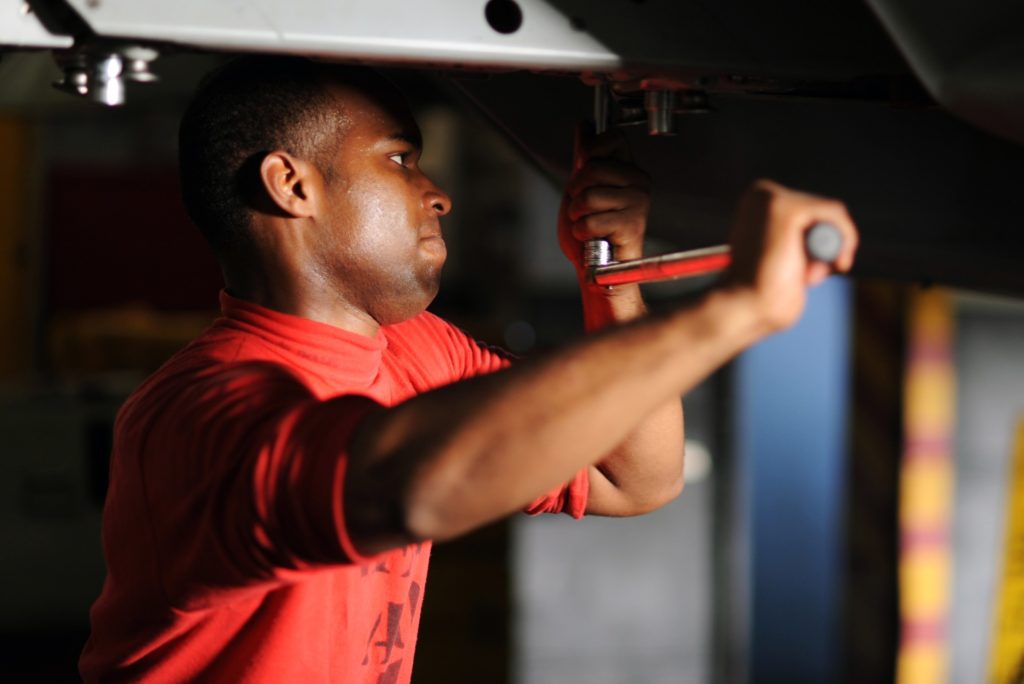
Over the next decade, an estimated 3.4 million jobs will need to be filled in the manufacturing sector. The problem? Candidates with the right skills to fill those positions will be few and far between.
To close this skills gap, these four companies are taking matters into their own hands:
…
Job Training Programs: How 4 Companies are Closing the Manufacturing Skills GapRead More »
The Basics of Agile Manufacturing
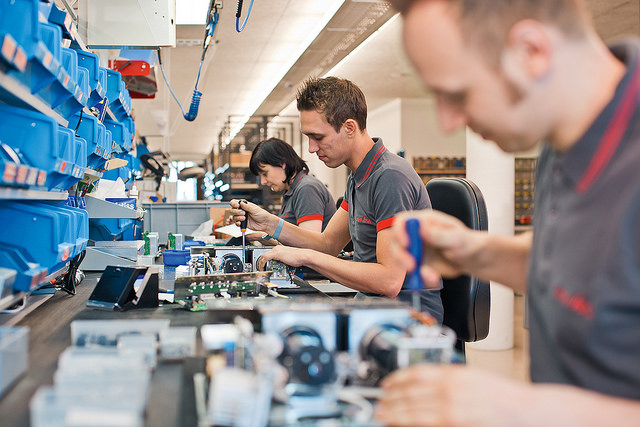
So, let’s say you’ve implemented lean manufacturing principles, have achieved a certain level of success, and are now ready to make your manufacturing business even stronger. What’s the next step? Is there a next step after lean? The answer is simply: yes.
…
Is New Technology Fueling the New-Shoring Trend?
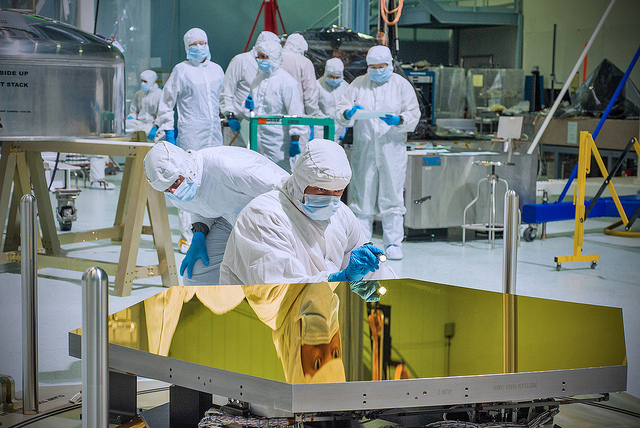
Innovations in technology are making it easier than ever to manufacture products right here at home. From 3D printing and computer aided design to the Internet of Things and data analytics, modern technology is transforming the way manufacturers think and create.
But something else is transforming, too: production. While many established companies have chosen to produce goods in lands far and away over the years, newly launched start-ups and independent manufacturers are using innovative technologies to keep production all American. This trend, called new-shoring, started to pick up just a few years ago and is now a way of business for many manufacturing newcomers.
…
The Importance of Data in Manufacturing
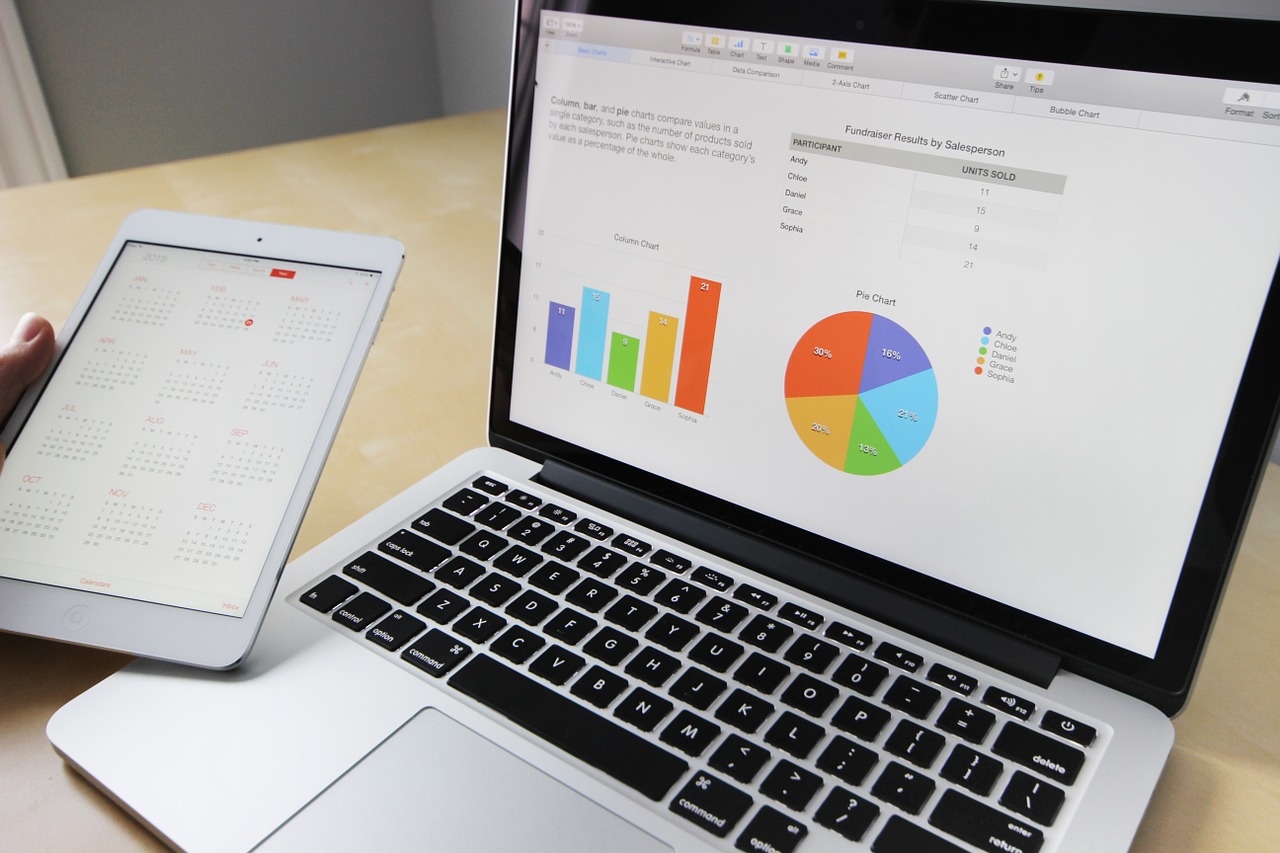
In one way or another, we’re all bound by some type of data. Whether it’s the Internet-based data you can use on smart gadgets or the kind that measures and tracks important information, the concept of ‘data’ is now an intrinsic part of our lives. And no one knows this better than manufacturers.
Today, manufacturers use both types of data to produce quality goods. Not only do they use informational data to make thoughtful business decisions, but they also use the Internet kind of data to streamline their processes.
Here’s how collecting or using even just a little bit of data makes a huge impact on manufacturing:
…
6 Smart Manufacturing Terms You Need to Know

Smart manufacturing is taking the world by storm. In fact, some experts believe that smart manufacturing is ushering in a fourth Industrial Revolution. But what exactly is smart manufacturing and how does it affect you?
Smart manufacturing involves fully integrated and collaborative manufacturing systems that can respond in real time to the obstacles or challenges faced by the factory. These so-called smart machines process data and analytics to streamline production. They’re also better equipped to respond to customer demands as well as reduce the risk of product failures and safety issues on the plant floor.
If you’re new to the concept of smart manufacturing or simply need a refresher, here are six relevant terms to know:
 Internet of Things: The Internet of Things, or IoT, is a network of devices, machines, buildings, and equipment that can digitally exchange data and information. The Internet of Things enables remote accessibility throughout the network, allowing each device connected to that network to communicate without manual interference. This network can include computers, manufacturing equipment, and mobile devices.
- Machine-to-Machine (M2M): The concept of Machine-to-Machine is very similar the Internet of Things in that it offers remote access to machines. But that’s really all it does. M2M provides access to machine data and is typically used for monitoring the performance of machines rather than interconnectivity and collaboration for the purpose of improving business operations.
- Cloud Computing: It’s the digital age, so it should come as no surprise that today’s manufacturing equipment can access ‘The Cloud’ and perform what is known as Cloud Computing. While cloud computing may sound like a mysterious and abstract concept, it’s simply a fancy way of saying that machines and devices can access data that is stored on the internet. What makes cloud computing useful in manufacturing is that internet-based data is shared and accessible by all machines on an on-demand basis. Â
- Preventive Maintenance: Preventive maintenance is an ongoing, planned process that follows guidelines for inspecting, detecting, and correcting equipment failure. The aim of preventive maintenance is to eliminate unnecessary inspections and maintenance tasks. Since it doesn’t leave anything to chance, manufacturers who practice preventive maintenance can count on reductions in unplanned downtime and maintenances costs.
 Predictive Analytics: Predictive analytics looks at the history of machine failures to predict future equipment issues. This automated process, which compares machine sensor data to spot potential problems, provides manufacturers with the insight they need to better anticipate maintenance and productivity issues.
- STEM: In order for manufacturers to be able to compete, they’ll need to hire candidates who are equipped with Science, Technology, Engineering, and Math (STEM) skills. While these skills are necessary and relevant right now, they’ll become absolutely essential in the coming years. Candidates who excel in STEM related disciplines will be able to effortlessly slip into a manufacturing role and propel company goals forward.
 Internet of Things:
 Predictive Analytics:
Just-in-Time Manufacturing: How It Differs from Lean

If you’re familiar with the landscape of today’s manufacturing industry, you’ve likely heard of lean manufacturing. But have you heard of its relative, Just-In-Time Manufacturing? To many in the industry, Just-In-Time or JIT manufacturing and lean seem to be one and the same. But these two manufacturing philosophies actually do have some differences. And here, we’ll explain them in detail.
…
Just-in-Time Manufacturing: How It Differs from LeanRead More »
7 Steps to Building a Successful Sustainable Manufacturing Operation

People, Planet, Profit. The intersection of these three concepts is the core driving force behind sustainable manufacturing. So, just what is sustainable manufacturing and how can you make it work for your company? Broadly speaking, sustainable manufacturing is the creation of products through the use of economically responsible processes that minimize negative impact on the environment. These processes not only protect employees and consumers, their efficiency also increases profits.
Becoming a sustainable manufacturing operation is a journey and there are degrees of difficulty in that journey. Think of it like a video game. Each step towards sustainability is the equivalent of leveling up the in the sustainable manufacturing game. For instance, you might begin the process by making simple improvements in previously established practices. When you’re ready, you can take it a step further by optimizing the production process for better efficiency and workflow. And if you’re really committed, you might even go as far as drawing up new product designs altogether that produce minimal environmental impacts all the way through the product’s life cycle.
…
7 Steps to Building a Successful Sustainable Manufacturing OperationRead More »
SlideShare: 5 Skills You Need to Land a Manufacturing Job Today
Lean Manufacturing Not Working for You? Here are 4 Reasons Why
All too often, manufacturers think of lean manufacturing as merely a tool that’ll guide their businesses toward faster production flow and increased profits. But lean is so much more than a tool and successfully implementing it requires a thorough understanding of how each principle within the philosophy works.
Believe it or not, a large majority of the companies that try to be lean fail. Lean implementation failure is often the result of prior failures or hitches in the way a company operates prior to adopting lean principles. Here, we’ll explore the core reasons manufacturers struggle to find a successful flow even with lean in mind.
…
Lean Manufacturing Not Working for You? Here are 4 Reasons WhyRead More »


