

Clear Anodized Angles and Flat Bars: A Clean, Durable Solution for Modern Applications
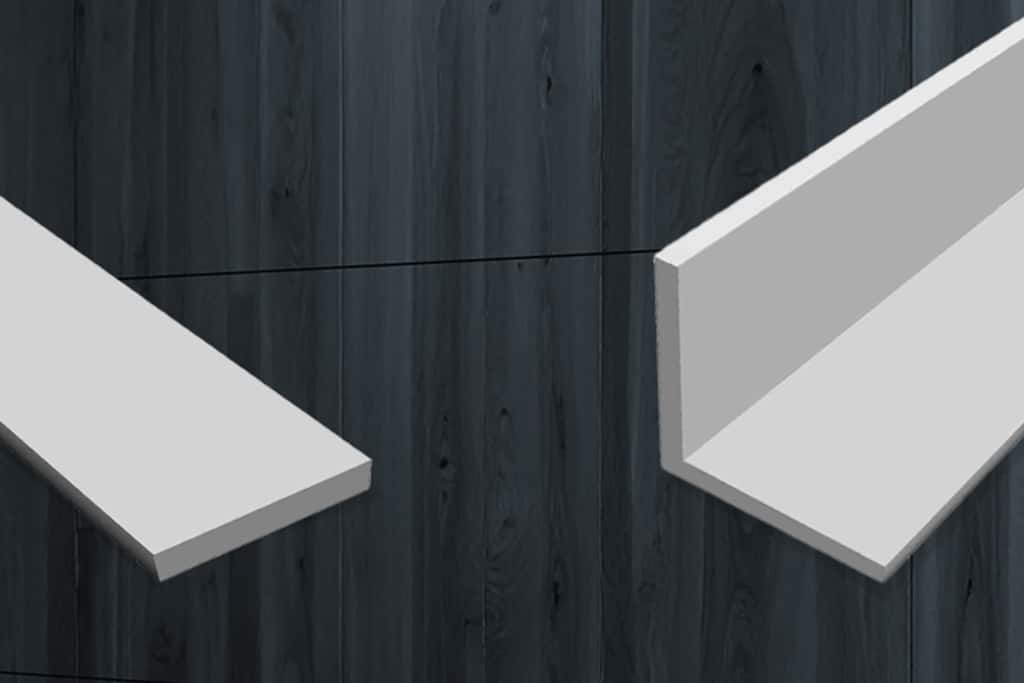
How clear anodized aluminum angles and flat bars deliver clean lines, lasting durability, and consistent finishes for modern architectural applications.
When a project calls for both performance and a refined appearance, material selection becomes critical. In many architectural and fabrication applications, aluminum angles and flat bars serve as essential components for protection, finishing, and clean visual transitions. Choosing the right finish can elevate these simple profiles into long lasting, visually consistent design elements.
Clear anodized aluminum angles and flat bars offer a practical and reliable solution for projects where durability and appearance matter equally. From commercial interiors to residential builds, these products provide a clean, uniform look while standing up to daily wear.
What Are Clear Anodized Angles and Flat Bars?
Aluminum angles and flat bars are versatile profiles used across a wide range of applications. Angles are commonly used for edge protection, framing, and transitions. Flat bars are often used for trim, backing, spacing, or surface protection.
When these profiles are clear anodized, they undergo an electrochemical process that strengthens the natural oxide layer on the aluminum surface. This creates a harder, more durable finish that is integrated into the material itself rather than applied on top.
The result is a smooth, satin appearance that resists corrosion, scratches, and fading over time.
Why Choose Clear Anodized Aluminum?
Clear anodized angles and flat bars are often selected for their balance of aesthetics and performance. The finish provides a consistent, high quality appearance that works well in both modern and traditional environments.
Unlike raw aluminum, clear anodized material is less prone to visible handling marks, oxidation, or surface inconsistencies. It maintains its appearance over time, even in high traffic or exposed conditions.
Key benefits include:
- Enhanced corrosion resistance for interior and exterior use
- Improved surface hardness compared to untreated aluminum
- A uniform, professional appearance with minimal variation
- Low maintenance with no need for painting or coating
This makes clear anodized profiles especially well suited for applications where both durability and visual consistency are important.
Common Applications
Clear anodized angles and flat bars are used in a variety of settings, including:
- Edge protection for walls, panels, and casework
- Trim and finishing details in commercial interiors
- Clean transitions between materials and surfaces
- Architectural accents and design elements
- Backing or spacing components in fabrication projects
Their clean finish allows them to blend seamlessly into a space or complement other materials such as glass, wood, or stone.
Clear Anodized vs Mill Finish
While both clear anodized and mill finish aluminum angles and flat bars serve similar functional purposes, the difference lies in their surface characteristics and long term performance.
Mill finish aluminum is the raw, untreated material as it comes from the manufacturing process. It may show natural variations, surface lines, or handling marks. Over time, it can oxidize and develop a dull or inconsistent appearance, especially in exposed environments.
Clear anodized aluminum, on the other hand, has a controlled and finished surface. The anodizing process enhances durability while providing a more uniform look. It is better suited for visible applications where appearance matters, as well as for environments where corrosion resistance is a concern.
For projects where the material will be seen and expected to maintain its look, clear anodizing is typically the preferred choice.
A Reliable Choice for Long Term Performance
Clear anodized angles and flat bars offer a straightforward solution for projects that demand both function and finish. Their ability to resist wear while maintaining a clean, consistent appearance makes them a dependable option across a wide range of applications.
Whether used for protection, finishing, or design, these profiles provide lasting value with minimal upkeep. For architects, designers, and fabricators, clear anodized aluminum continues to be a practical and proven choice.


