

Interior Panel Systems: Flexible Wall Solutions for Modern Architectural Design
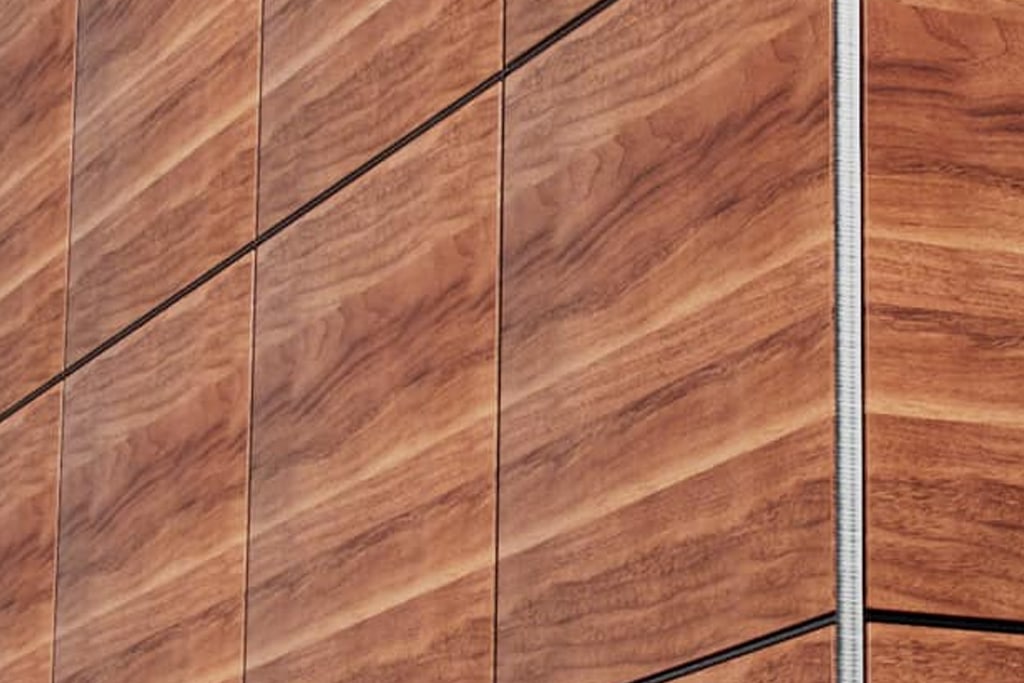
How modern interior panel systems support mixed materials, consistent reveals, and adaptable architectural wall design.
Interior panel systems have become a popular solution for architects and designers looking to create clean, modern wall surfaces that combine visual impact with efficient installation. These systems allow wall panels to be mounted using concealed clips or brackets, creating a structured layout with consistent spacing and hidden hardware.
Unlike traditional wall finishes that rely on adhesives or exposed fasteners, panel systems provide a modular framework that allows panels to be installed, removed, and replaced when needed. This approach supports a wide range of materials and panel thicknesses while maintaining a precise architectural appearance.
At Monarch Metal, interior panel systems are commonly used with architectural trims, mounting clips, and reveal systems that help designers create feature walls with consistent alignment and professional finishes.
What Are Interior Panel Systems?
Interior panel systems are mounting solutions designed to support decorative or architectural wall panels. These systems typically use aluminum trims, clips, or brackets that attach to the wall structure and support individual panels.
The panels are installed into this framework with consistent spacing that creates visible reveals between panels. Because the mounting hardware is concealed behind the panels, the finished wall surface appears clean and uninterrupted.
Interior panel systems are often used with materials such as:
- Wood veneer panels
- Phenolic panels
- Laminate panels
- Glass panels
- Acrylic panels
By separating the mounting system from the panel material itself, these systems allow designers and fabricators to select materials that best fit the aesthetic and performance requirements of a project.
Adapting Panel Systems for Varying Panel Thickness
Many architectural wall designs include panels of different thicknesses. For example, a feature wall may combine thin laminate panels with thicker wood veneer or phenolic panels.
Adaptor clips are commonly used within interior panel systems to accommodate these variations in panel depth. These clips allow thinner panels to be installed within a system designed for thicker materials, ensuring that all panels align properly with the surrounding trims and reveals.
This flexibility allows designers to maintain a consistent reveal pattern across the entire wall, even when multiple materials or panel thicknesses are used in the same installation.
The result is a cohesive wall system that maintains visual consistency while supporting a wider range of panel materials.
Integrating Glass and Acrylic Panels
Modern interior spaces frequently incorporate glass or acrylic panels as part of decorative wall systems. These materials add reflective surfaces, color accents, or backlit design elements that enhance the overall architectural environment.
In some cases, mechanical fasteners may not be desirable for glass or acrylic panels. High-strength mounting tapes can be used as an alternative attachment method, allowing panels to be bonded securely to clips or brackets within the panel system.
When used correctly, this approach allows glass panels to integrate seamlessly into a larger wall system while maintaining the same reveal spacing and trim structure as surrounding panels.
This capability allows designers to combine transparent, reflective, and opaque materials within the same architectural wall feature.
Mixed Media Wall Design
One of the most notable trends in modern interiors is the use of mixed media wall systems. Rather than using a single material across an entire wall surface, designers combine multiple materials to create depth and contrast.
Examples of mixed media panel systems include:
- Wood panels paired with aluminum reveals
- Glass accent panels within composite wall systems
- Acrylic panels combined with laminate panels
- Metal panels integrated with decorative architectural trims
Interior panel systems provide the structural framework that allows these combinations to be installed cleanly and consistently.
Why Interior Panel Systems Are Widely Used
Interior panel systems offer several advantages compared with traditional wall finishing methods:
- Concealed mounting hardware
- Consistent panel alignment and spacing
- Support for multiple panel materials
- Adaptability for varying panel thicknesses
- Serviceability and panel replacement when needed
Because these systems provide both structural support and aesthetic control, they are widely used in commercial interiors, corporate offices, hospitality spaces, retail environments, and architectural feature walls.
As interior design continues to evolve toward layered materials and modular construction, interior panel systems provide a practical solution that balances flexibility, precision, and long-term durability.


